


Published: 20 October 2026
-
Select all|
-
 CASTING SUPERALLOY COLUMN2026, 54(10): 1-16. https://doi.org/10.11868/j.issn.1001-4381.2026.000264
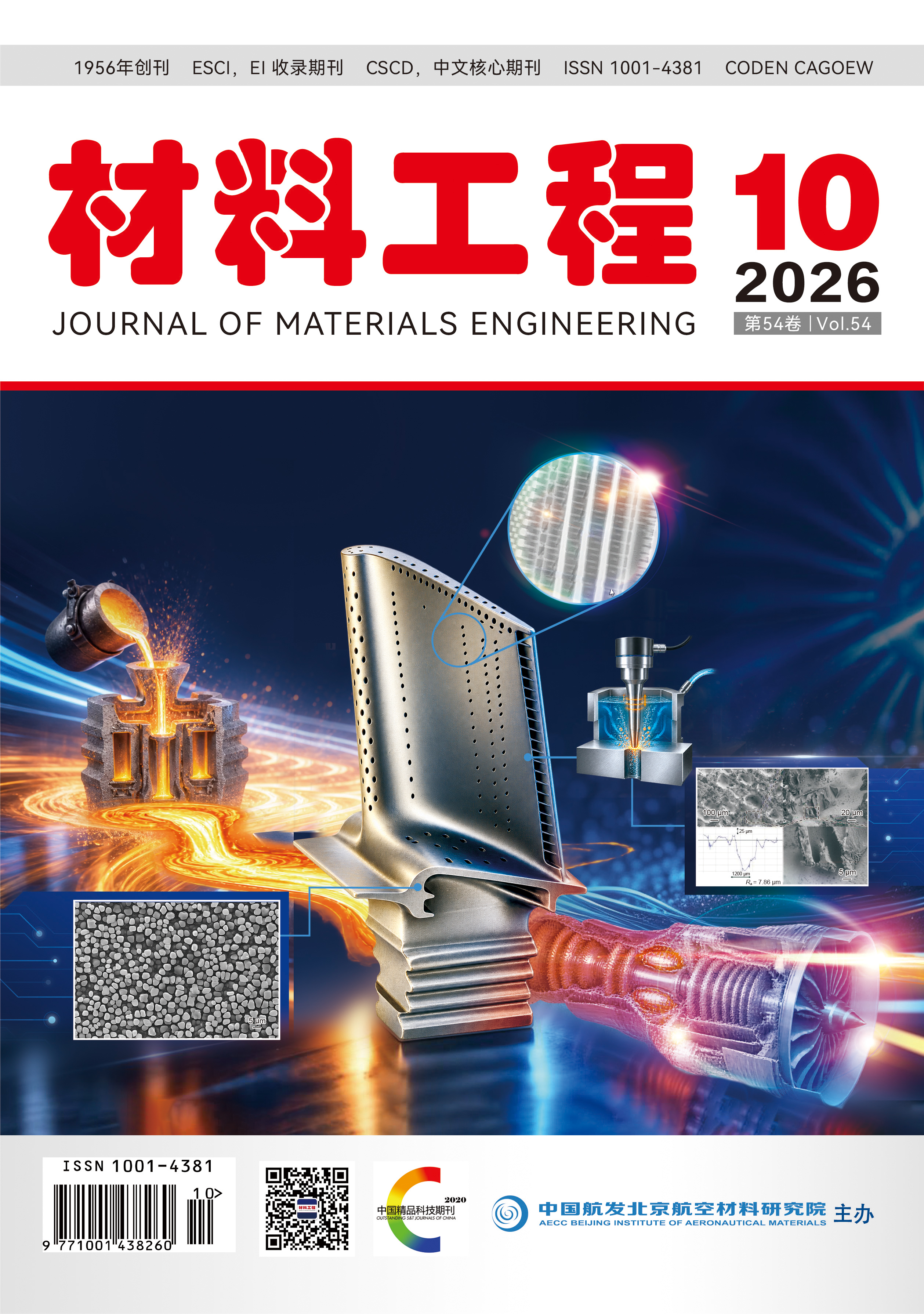
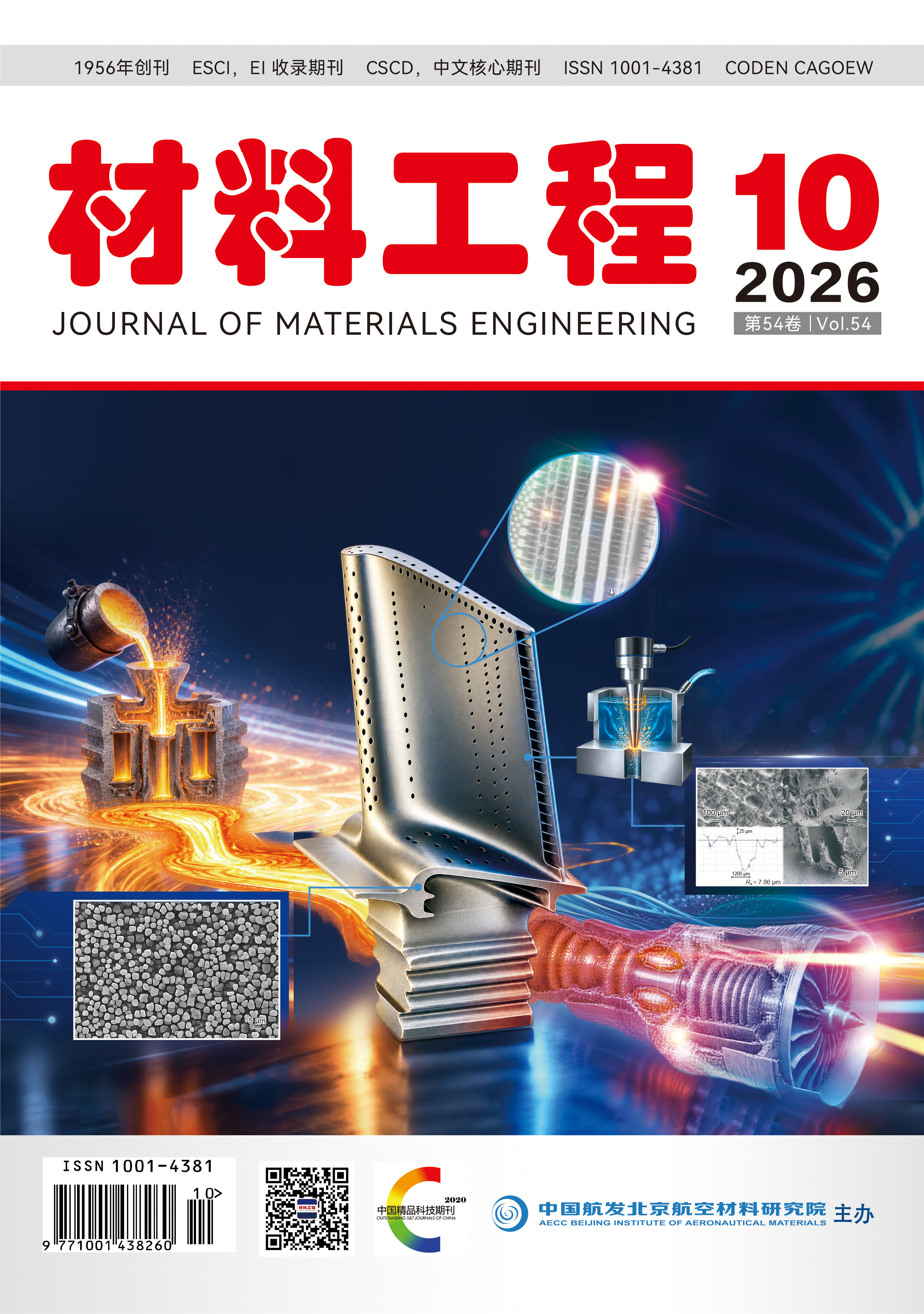
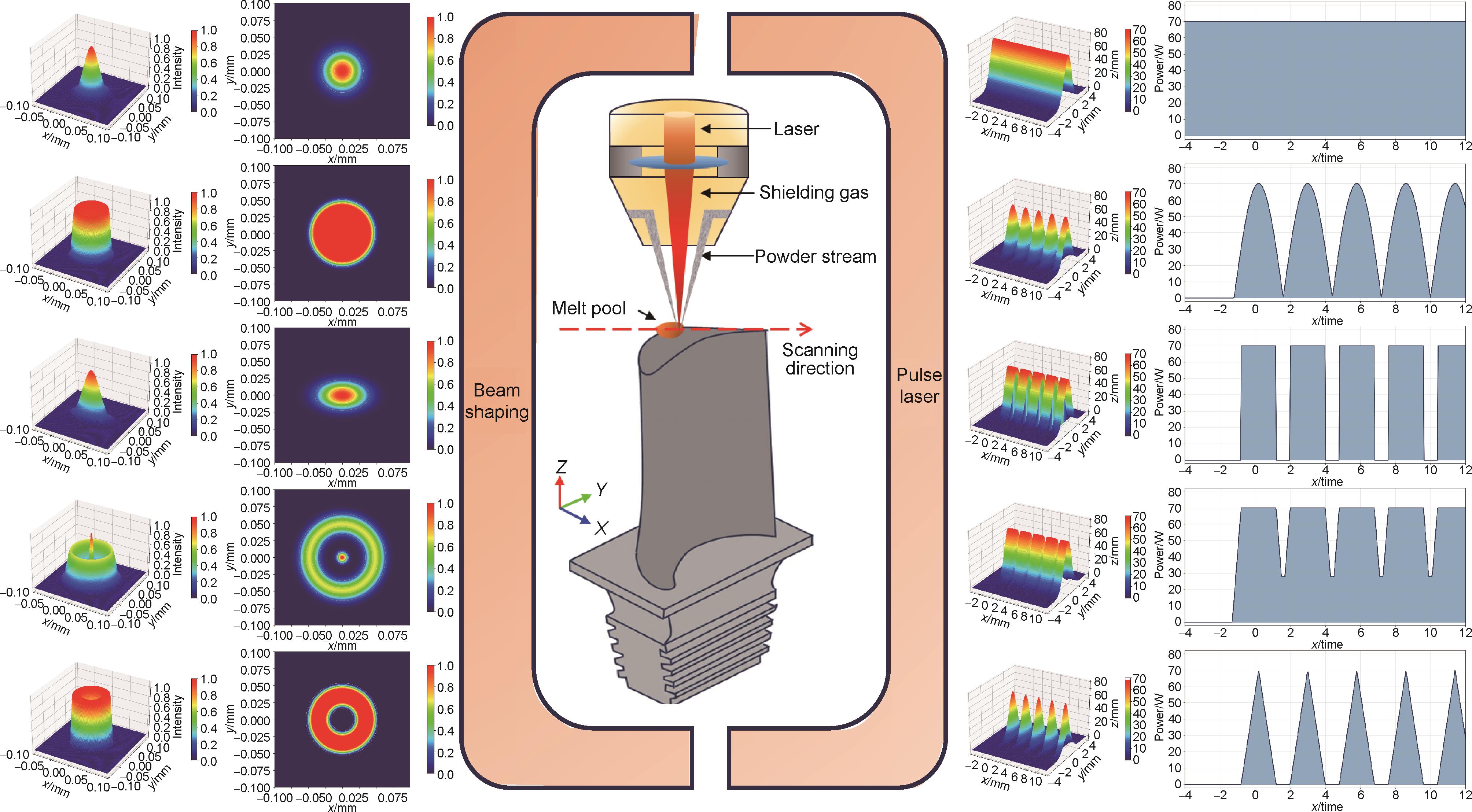
Repairing rather than replacing nickel-based single-crystal superalloy turbine blades is central to extending aero-engine service life. Laser-directed energy deposition (L-DED), with its highly localized and controllable heat input, stands as an enabling technology for both high-quality single-crystal blade repair and the fabrication of geometrically complex components. However, the extreme non-equilibrium solidification conditions inherent to L-DED can disrupt epitaxial growth continuity, giving rise to columnar-to-equiaxed transition, hot cracking, and other microstructural defects. This review draws together findings from the past five years on the metallurgical mechanisms and process control strategies that govern L-DED-based fabrication and repair of single-crystal superalloys. The literature indicates that conventional parameter optimization built around Gaussian continuous-wave laser beams has reached its effective limits. Heat accumulation across successive deposition layers, together with the strong interdependence of temperature gradient (G) and solidification velocity (V), restricts further widening of the process window. This constraint has driven interest in spatiotemporal beam shaping as a route to regulating solidification behavior. Spatially, flat-top and annular beam profiles redistribute energy more evenly across the melt pool and alter its three-dimensional geometry. This suppresses local heat flux fluctuations and weakens Marangoni convection, both of which can otherwise disturb the solidification front. Temporally, the transient thermal cycles produced by pulsed laser operation counteract heat accumulation. A higher effective G is maintained at the solidification front and the as-solidified microstructure is refined. Residual stresses are progressively relieved as well. Each of these changes contributes, in its own way, to lower cracking susceptibility. Looking ahead, several directions merit attention. Coordinated control of beam characteristics across multiple dimensions is one such direction. In-situ closed-loop control that couples multi-source sensing with physics-informed neural networks represents another. Efforts to formulate single-crystal alloy powders specifically for customized beam profiles in additive manufacturing would also be valuable. Work along these lines would strengthen the theoretical foundation for high-quality additive manufacturing of single-crystal superalloys.
-
 CASTING SUPERALLOY COLUMN2026, 54(10): 17-30. https://doi.org/10.11868/j.issn.1001-4381.2026.000373
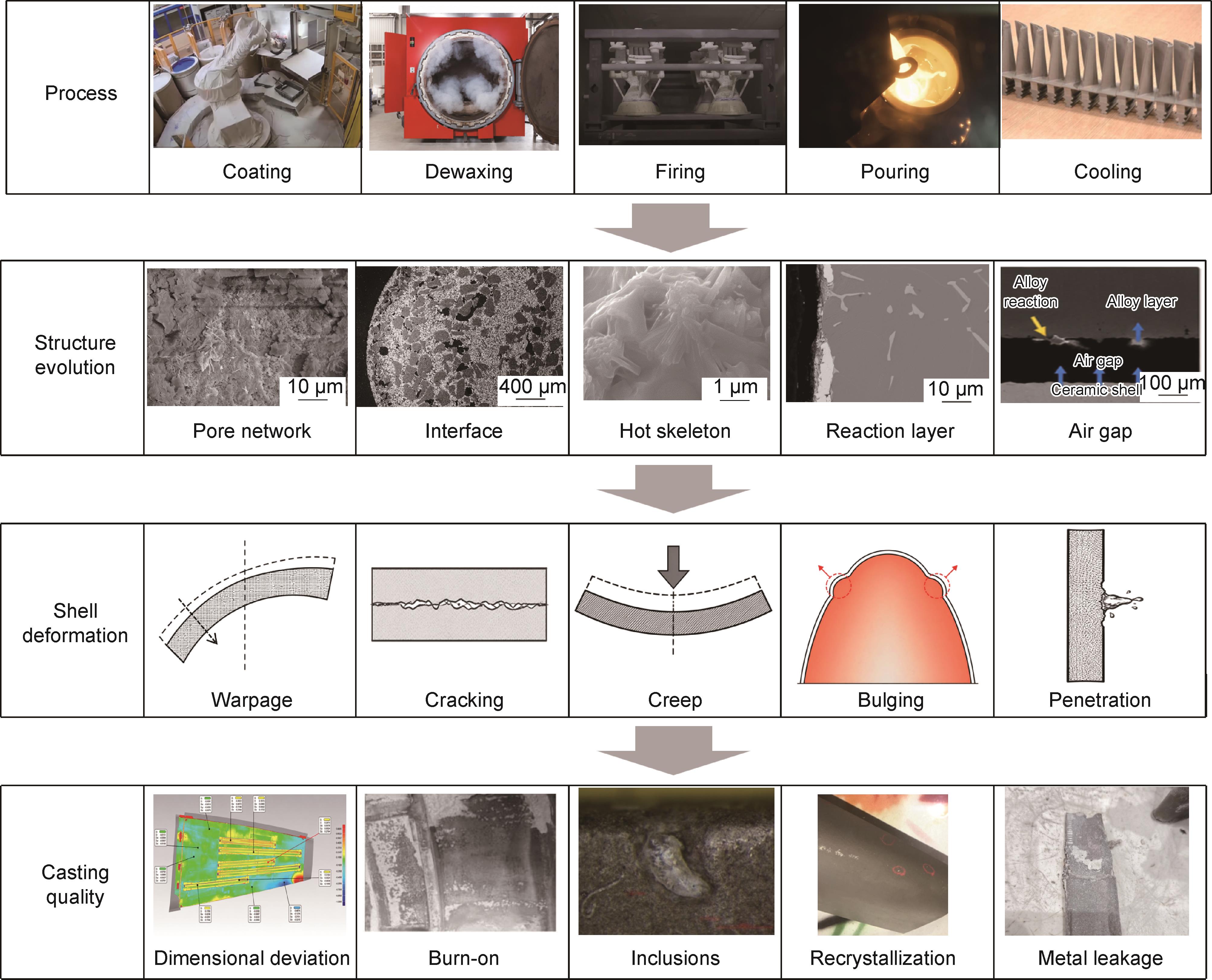
Directionally solidified and single-crystal turbine blades are critical hot-section components of aero-engines. Ceramic shells for investment casting provide the cavity-forming boundary, high-temperature load support, gas venting, heat transfer, and interfacial isolation; their structural stability directly affects the dimensional accuracy, surface integrity, and solidification microstructure of the blades. As blade geometries become thinner-walled, hollow, and more complex, shells are susceptible to shrinkage cracking during drying and dewaxing, creep deflection during firing and preheating, and bulging, penetration, or interfacial instability during pouring and solidification. Following the complete preparation-to-casting sequence, this review analyzes the effects of pore networks, interlayer interfaces, glass and crystalline phases, shell-thickness distribution, and alloy-shell reaction layers on deformation. Mechanistic derivations and quantitative comparisons based on capillary pressure, thin-shell stiffness, high-temperature creep, and time-dependent interfacial heat transfer are integrated with hot-state testing, inverse identification of interfacial heat transfer, post-casting dimensional feedback, and multiphysics prediction. Available evidence shows that shell deformation results from the combined effects of structural evolution, hot load-bearing capacity, external loading, and interfacial boundary conditions, and cannot be represented by a single room-temperature strength value. In future research, databases for hot-state constitutive behavior and time-varying boundary conditions should be established based on realistic blade geometries and thermal histories, and validated methods for bulging prediction and defect-feedback optimization should be developed.
-
 CASTING SUPERALLOY COLUMN2026, 54(10): 31-40. https://doi.org/10.11868/j.issn.1001-4381.2025.000662
This study investigates the effects of heat treatment on a self-developed casting Ni-based superalloy with low contents of grain boundary strengthening elements. Specifically, the impact of slow cooling and re-dissolution processes on the γ′ phase, grain boundary morphology, and 650 ℃ tensile properties is analyzed. Microstructural results indicate that the slow cooling process after solution treatment induces the formation of chain-like irregular γ′ phases at the grain boundaries, promoting the formation of serrated grain boundaries, while coarse flower-like γ′ phases precipitate intragranularly. With the introduction of a re-dissolution treatment at 1180 ℃ for 3 h following slow cooling, the serrated grain boundaries revert to a straight morphology due to the complete dissolution of the γ′ phase. In contrast, the re-dissolution treatment at 1000 ℃ for 12 h achieves partial dissolution and reshaping of the γ′ phase, thereby retaining the serrated grain boundary characteristics. Tensile testing demonstrates that slow cooling improves 650 ℃ ductility, but it significantly reduces yield strength. The 1180 ℃/3 h re-dissolution treatment restores the properties to levels comparable to the fully solutioned and air-cooled state. However, the 1000 ℃/12 h re-dissolution treatment results in superior yield strength while maintaining good elongation. Consequently, through the heat treatment process comprising full solution treatment, slow cooling, and re-dissolution at 1000 ℃ for 12 h, synergistic optimization of intragranular and intergranular microstructures is achieved, thereby improving the tensile properties at 650 ℃ of this low-C/B/Zr casting Ni-based superalloy.
-
 CASTING SUPERALLOY COLUMN2026, 54(10): 41-55. https://doi.org/10.11868/j.issn.1001-4381.2025.000564
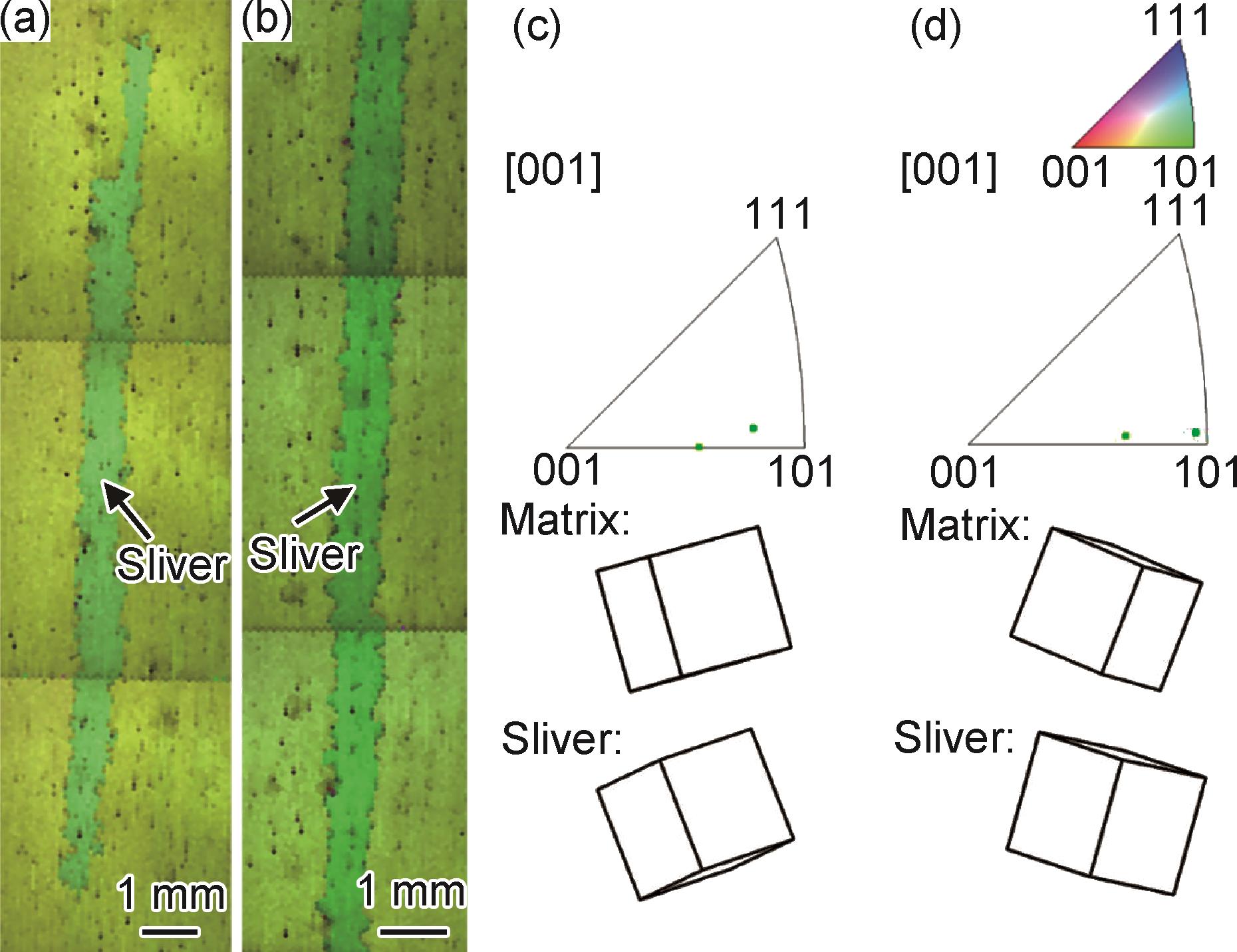
Nickel-based single-crystal superalloys exhibit excellent high-temperature mechanical properties, oxidation resistance, and corrosion resistance. However, solidification defects such as sliver defects often occur during the preparation of single-crystal blades, compromising their structural integrity and significantly degrading high-temperature performance. Understanding the formation mechanisms, influencing factors, and distribution patterns of sliver defects is therefore essential for defect prevention and microstructural optimization. This study investigates the effect of withdrawal rate on sliver defect formation.Results show that at low withdrawal rates (1-2 mm/min), sliver defects are distributed on both the heating and shadow sides of castings, with higher frequency. At high withdrawal rates (4-6 mm/min), freckles primarily form on the upper shadow side, with lower frequency. As the withdrawal rate increases, the average length of sliver defects increases, while their misorientation with the matrix decreases. Two formation mechanisms are identified: thermalsolutal convection in the mushy zone causing dendrite fragmentation, and adhesion of dendrites to the mold wall in the mushy zone followed by tensile rupture during solidification. Both mechanisms operate at low withdrawal rates, whereas the second mechanism dominates at high rates.
-
 CASTING SUPERALLOY COLUMN2026, 54(10): 56-63. https://doi.org/10.11868/j.issn.1001-4381.2025.000583
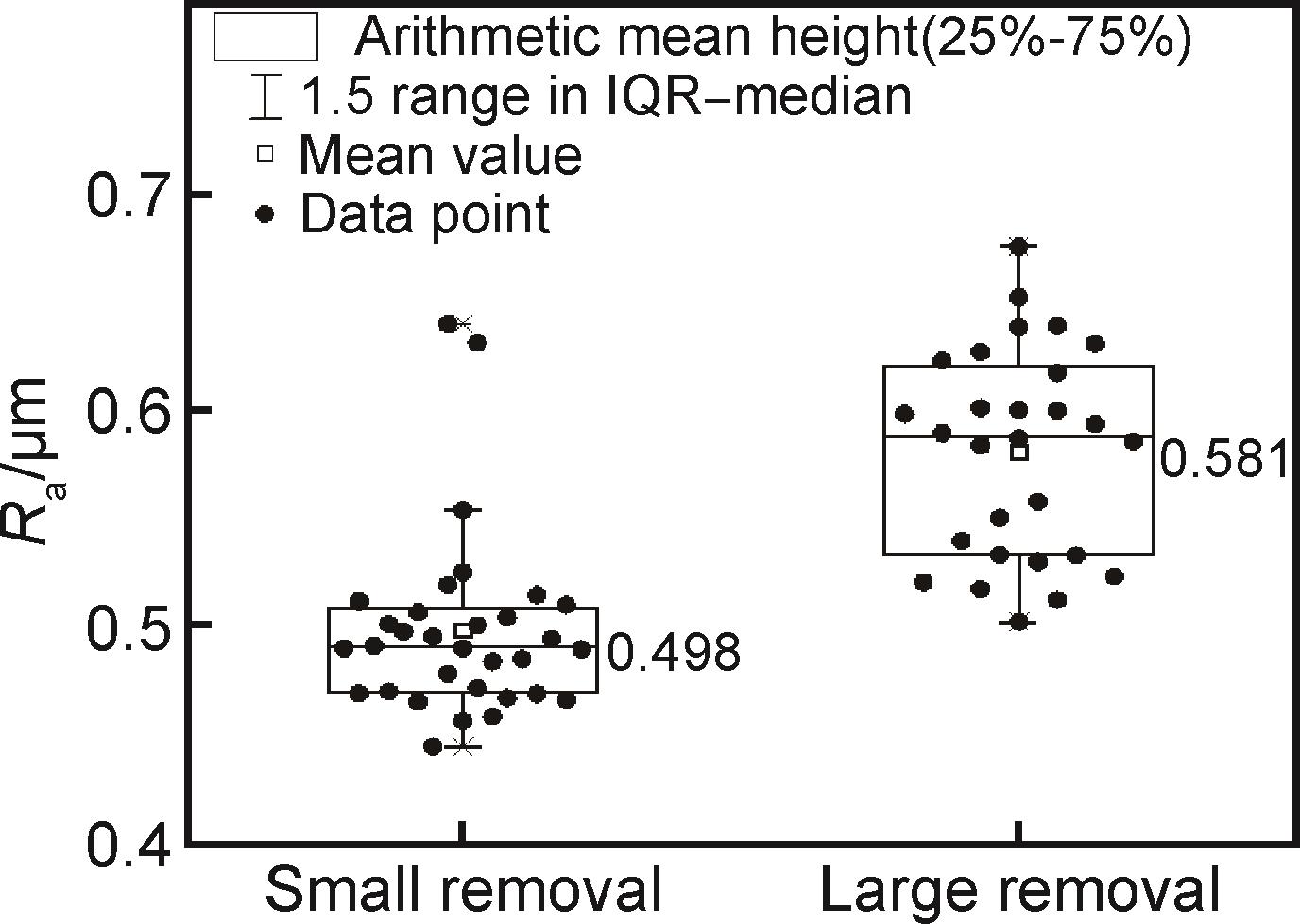
To investigate the effects of abrasive belt grinding on the surface integrity and tensile-tensile high-cycle fatigue properties of the third generation single crystal superalloy DD9, white light interferometer and contact profilometer are used to characterize the surface morphology of ungrinding samples, grinding samples with removal depths of 25 μm(small removal amount) and 115 μm(large removal amount). Rockwell hardness tester is employed to measure the surface hardness of samples with different removal amounts, and scanning electron microscopy (SEM) is used to observe the fracture surfaces and microstructures near the fracture of fatigue samples. The results show that abrasive belt grinding damages the surface integrity of the samples, resulting in continuous and regular ploughing grooves on the surface. The surface roughness increases with the increasing of removal amount. Compared with the ungrinding samples, the surface hardness of small and large removal amount samples increases by 11.1% and 12.7%, respectively, and the depths of the plastic deformation layers on their surfaces are approximately 2.96-4.65 μm and 4.27-4.72 μm, respectively. Abrasive belt grinding has a relatively minor effect on the tensile-tensile fatigue properties of DD9 alloy at 760 ℃, with fatigue strengths of 552, 554 MPa, and 543 MPa for the ungrinding,small removal amount, and large removal amount samples, respectively. For the large removal amount samples, the negative effect of increased surface roughness outweighs the positive effects of deformation strengthening and residual stresses, leading to a slight reduction in fatigue properties. For the small removal amount samples, the negative effect of increased surface roughness is comparable to the positive effects of deformation strengthening and residual stresses, resulting in fatigue properties equivalent to that of the ungrinding samples.
-
 CASTING SUPERALLOY COLUMN2026, 54(10): 64-74. https://doi.org/10.11868/j.issn.1001-4381.2025.000439
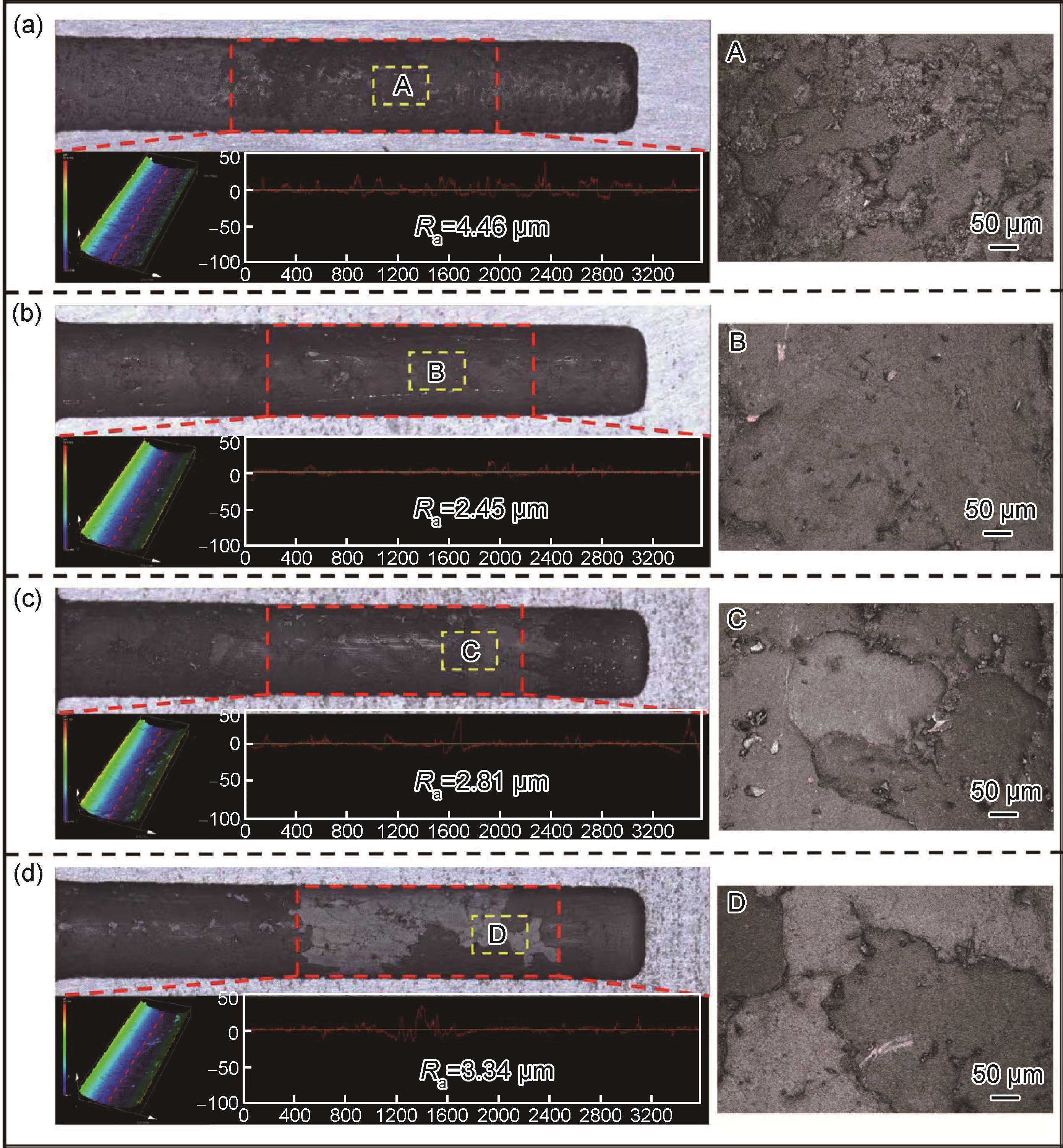
Nickel-based superalloy Mar-M247 exhibits excellent high-temperature performance, oxidation resistance and creep resistance, and is widely used in critical components such as gas turbine blades. Meanwhile, deep small hole structures are generally designed inside turbine blades to enhance cooling. Electrochemical machining (ECM) serves as a vital processing method for hole structures with large depth-to-diameter ratios by virtue of its advantages including zero tool wear and absence of machining stress. Nevertheless, Mar-M247 features a complex microstructure, which leads to extremely uneven electrochemical dissolution on its surface. Adhered machining byproducts further aggravate this uneven dissolution, resulting in poor surface quality of machined holes. This study targets the machining challenges of deep small holes on Mar-M247 alloy. It analyzes the polarization characteristics and current efficiency of Mar-M247 in 20%(mass fraction,the same below)NaNO3 and 20%NaCl solutions to reveal its electrochemical dissolution behaviors in different electrolytes. On this basis, electrochemical hole-making experiments with workpiece ultrasonic vibration assistance are carried out to verify the feasibility of workpiece vibration in improving the surface quality of electrochemically machined holes. The results show that a secondary passive region exists in the polarization curve of Mar-M247 tested in 20%NaCl solution. For this reason, the electrochemical dissolution current efficiency of Mar-M247 in 20%NaNO3 solution is higher than that in 20%NaCl solution. As current density rises, the surface quality of electrochemically dissolved Mar-M247 specimens in NaCl solution declines significantly, which indicates that NaNO3 solution is more suitable for high-efficiency precision electrochemical machining of Mar-M247. When the workpiece vibration amplitude reaches 5 μm, the surface roughness value of the hole wall obtained by ECM decreases by 45.1%. This research offers a novel technical solution for high-efficiency precision electrochemical machining of deep small holes on gas turbine blades made of Mar-M247 alloy.
-
 CASTING SUPERALLOY COLUMN2026, 54(10): 75-86. https://doi.org/10.11868/j.issn.1001-4381.2025.000438
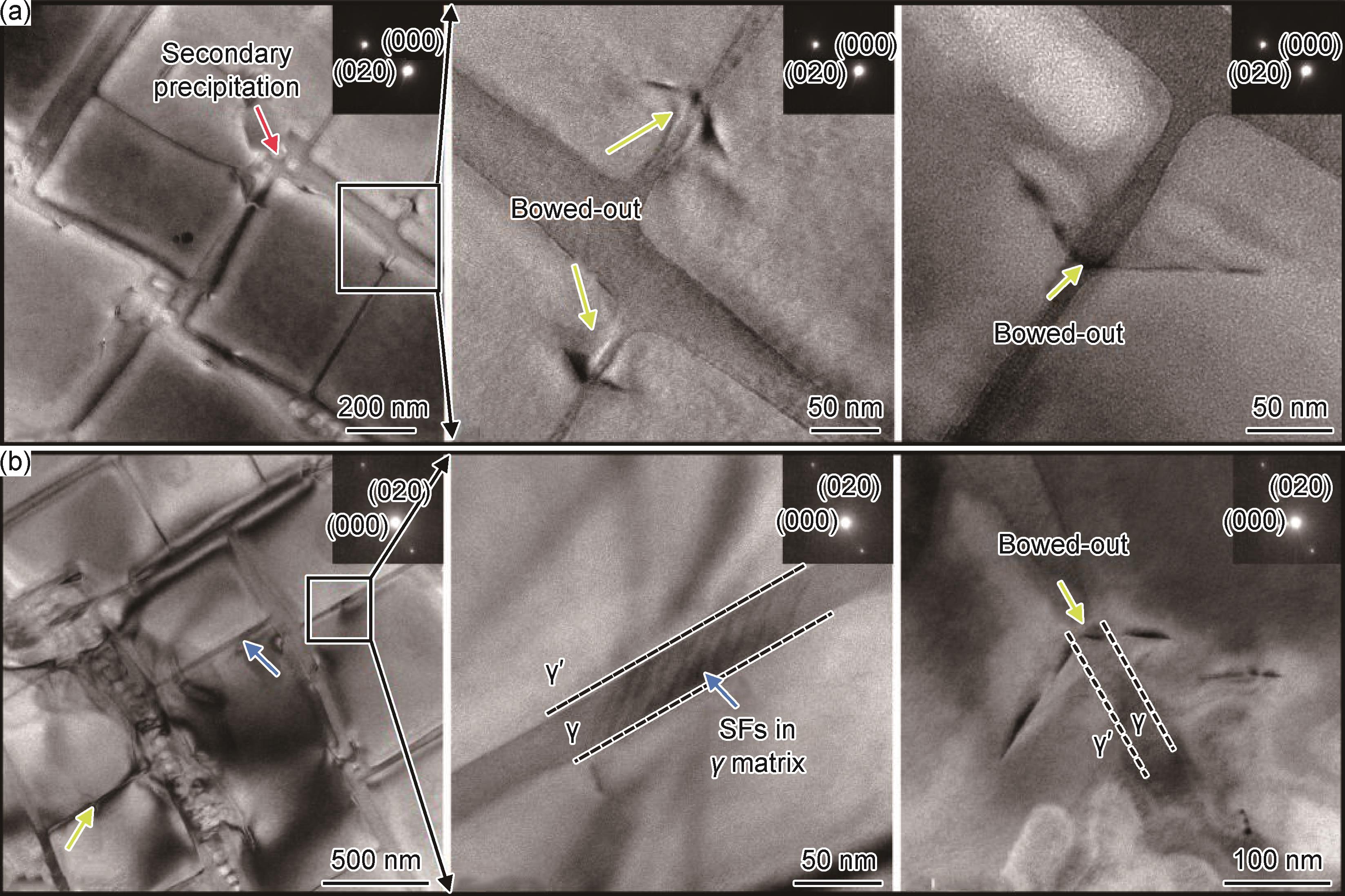
The vibration fatigue performance of DD10 single crystal superalloy with the primary orientation [001] and the secondary orientations [100] and [510] at 850 ℃ is investigated, and the vibration fatigue lives of the two secondary orientations at a stress of 350 MPa are obtained. The vibration fatigue fracture mechanisms of the single crystal superalloys under the two orientations are analyzed by means of scanning electron microscopy (SEM), focused ion beam (FIB) sample preparation, and transmission electron microscopy (TEM). The results show that the vibration fatigue average life of the [100] secondary orientation sample is higher than that of the [510] secondary orientation sample. Wavy dislocation lines and stacking faults are typical dislocation characteristics of vibration fatigue at 850 ℃. The presence of a small number of anti-phase boundary dislocation pairs at the γ/γ' interface suggests that there may also be a climb mechanism at 850 ℃. The correspondence between the microscopic crystallographic slip damage parameters of the [100] and [510] secondary orientations and the macroscopic coordinate system of the samples is the main cause of the secondary orientation effect in single crystal alloys. The differences in microscopic dislocation evolution rates of the [100] and [510] secondary orientation samples, as well as the secondary orientation effect under vibration fatigue loading conditions, are the main factors affecting the vibration fatigue lives of the two orientations. The vibration fatigue test, which determines the occurrence of cracks by monitoring the frequency drop, further increases the difference in vibration fatigue lives between the two orientations.
-
 SPECIAL COLUMN FOR THE JME’S 70th ANNIVERSARY2026, 54(10): 87-110. https://doi.org/10.11868/j.issn.1001-4381.2025.000764
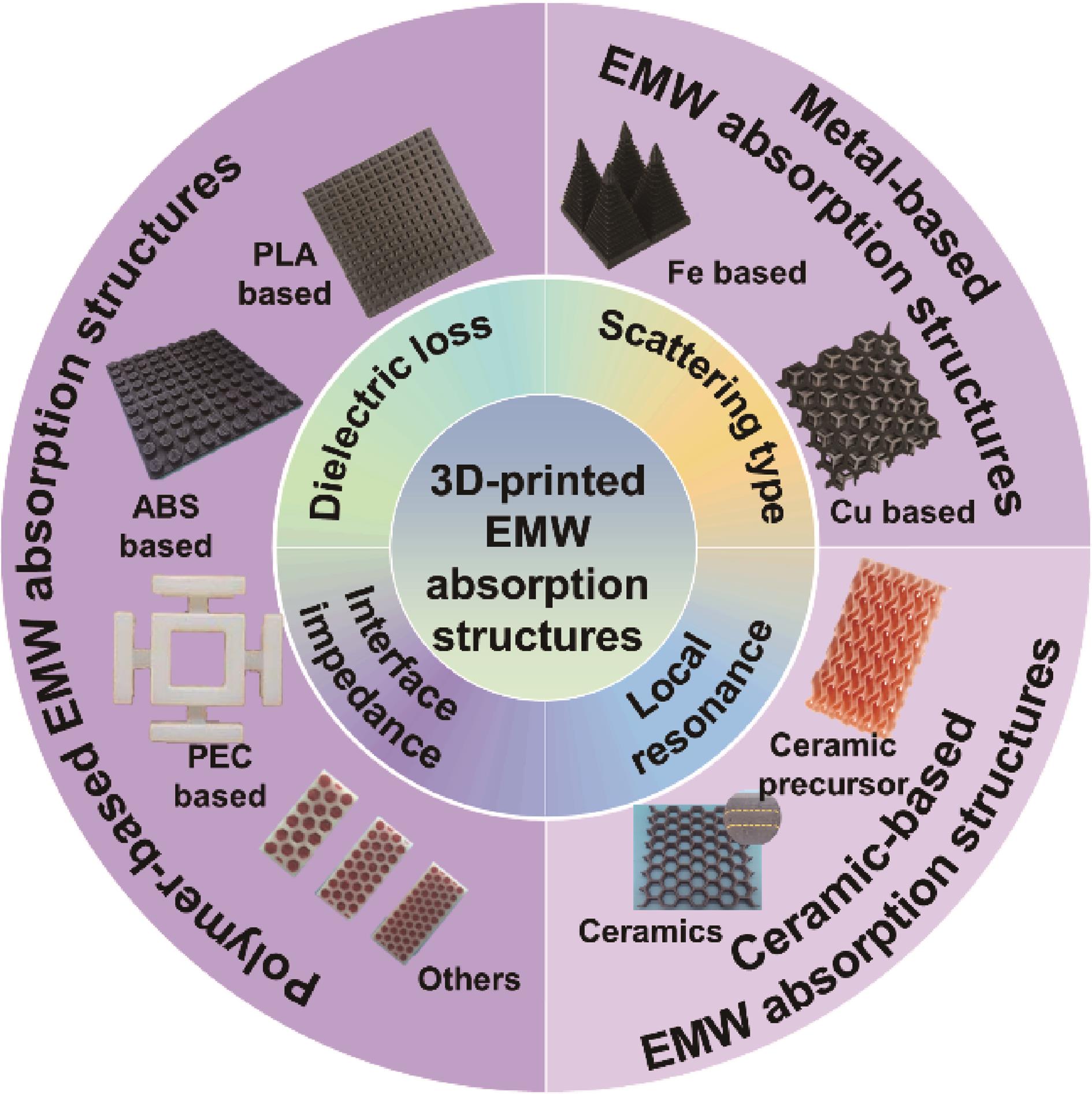
With the rapid advancement of radar detection technology, the significance of electromagnetic wave absorption structures in aerospace, defense, and related fields has become increasingly prominent. 3D printing technology, known for its exceptional design flexibility and forming capabilities, offers an innovative approach to constructing advanced electromagnetic-wave absorption structures with complex geometries. This review systematically summarizes the progress in research on 3D-printed electromagnetic wave absorption structures. Based on the electromagnetic wave loss mechanism, it comprehensively analyzes how different three-dimensional structures regulate electromagnetic response characteristics, and further discusses how to achieve optimal structural design through 3D printing technology. Furthermore, the current status of various wave absorption structures of polymer-based, metal-based, and ceramic-based electromagnetic wave absorption materials is outlined. The design trends and performance features of typical structures, such as porous, honeycomb, stepped, minimal surface, and twisted structures, are summarized. Finally, the key challenges and potential future development directions in current research on 3D-printed electromagnetic wave absorption structures are discussed, aiming to offer insights and references for further research and application in this field.
-
 SPECIAL COLUMN FOR THE JME’S 70th ANNIVERSARY2026, 54(10): 111-123. https://doi.org/10.11868/j.issn.1001-4381.2026.000036
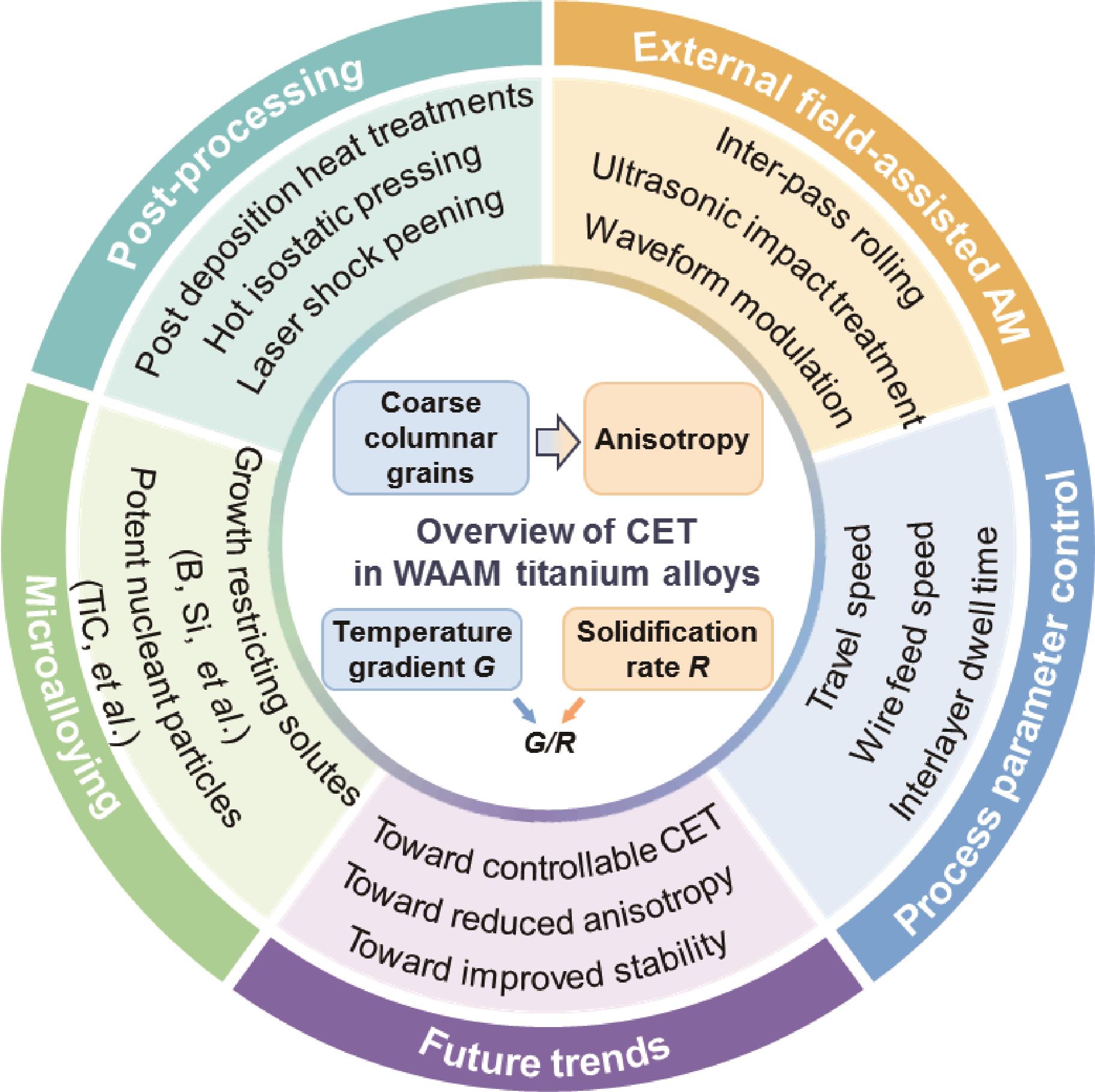
Wire Arc Additive Manufacturing (WAAM) has attracted significant attention for the fabrication of large-scale titanium alloy structural components in aerospace and related fields due to its high deposition efficiency and fewer size constraints. However, the combination of high heat input and directional solidification tends to produce coarse primary β columnar grains preferentially aligned along the 〈001〉 direction, which, together with texture inheritance during rapid solid-state phase transformation, promotes the formation of acicular α bundles and results in pronounced anisotropy in the mechanical properties of the deposited components, limiting their engineering application. This review focuses on the columnar-to-equiaxed transition behavior of primary β grains and its intrinsic correlation with isotropic performance. The evolution of the solidification microstructure is discussed in terms of melt pool thermal characteristics, solute redistribution, and nucleation behavior. Strategies such as process parameter optimization and microalloying to control primary β grain morphology are summarized, alongside post-processing techniques, including hot isostatic pressing, laser shock peening, and ultrasonic impact treatment, for refining columnar grain structures. This overview aims to provide theoretical guidance for achieving equiaxed microstructures and isotropic properties in WAAM titanium alloys.
-
 SPECIAL COLUMN FOR THE JME’S 70th ANNIVERSARY2026, 54(10): 124-140. https://doi.org/10.11868/j.issn.1001-4381.2025.000781
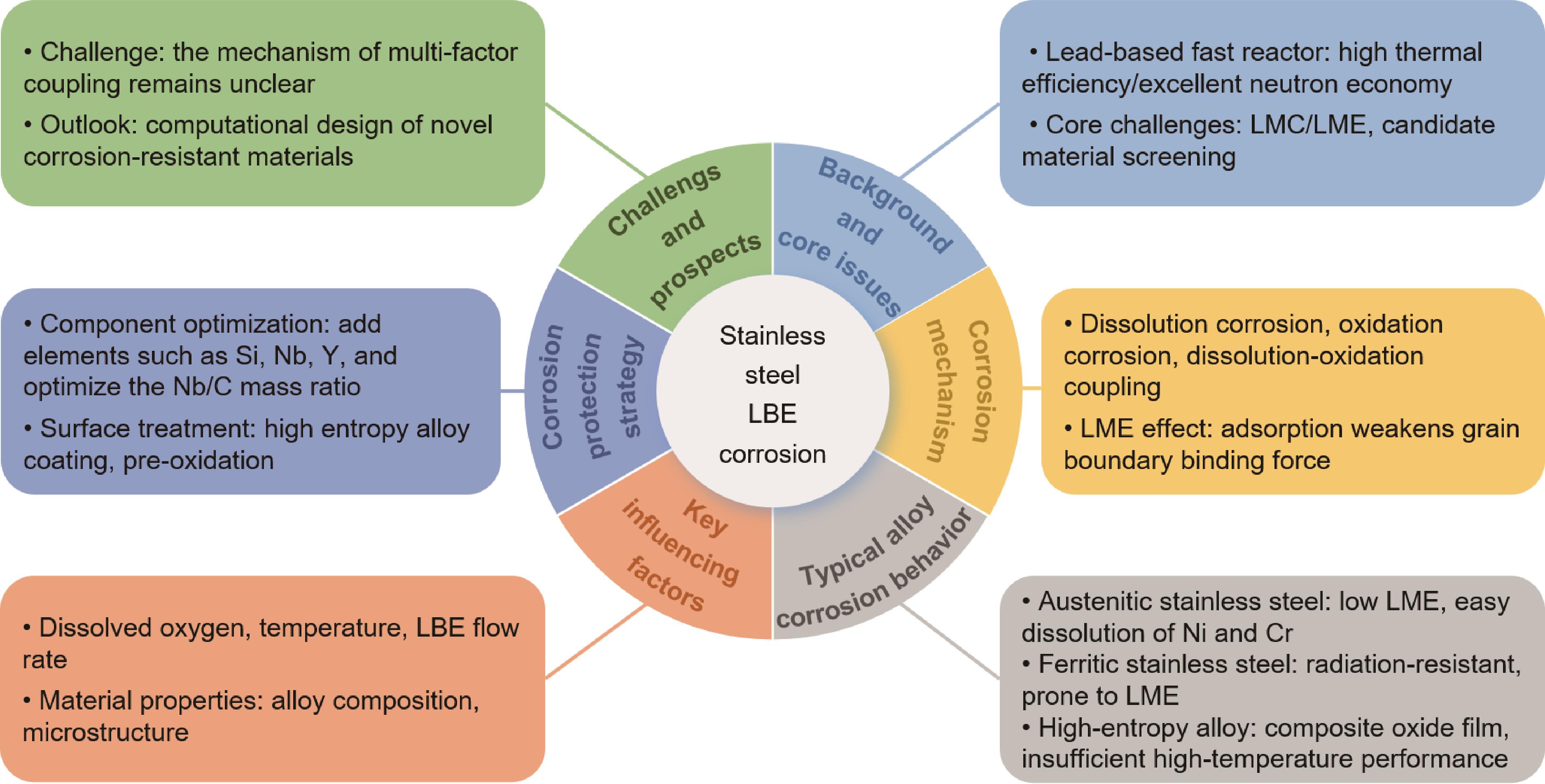
The lead-based fast reactor is an advanced nuclear reactor with advantages such as high thermal efficiency, good neutron economy, and excellent fuel-cycle capability, making it an important research direction in nuclear energy development. It uses liquid lead-bismuth eutectic (LBE) as the coolant, which has a high boiling point, good neutron performance, high cooling efficiency, and stable chemical properties. However, it is highly corrosive to metallic structural materials. In the LBE environment, structural materials such as stainless steel face severe challenges of liquid metal corrosion and liquid metal embrittlement, directly threatening the safe and reliable operation of the reactor. This article systematically reviews the latest progress in the interaction between stainless steel and LBE, including corrosion mechanisms, influencing factors, and protective strategies, providing a reference for the design of stainless steel materials and components resistant to LBE corrosion.
-
 SPECIAL COLUMN FOR THE JME’S 70th ANNIVERSARY2026, 54(10): 141-154. https://doi.org/10.11868/j.issn.1001-4381.2025.000687
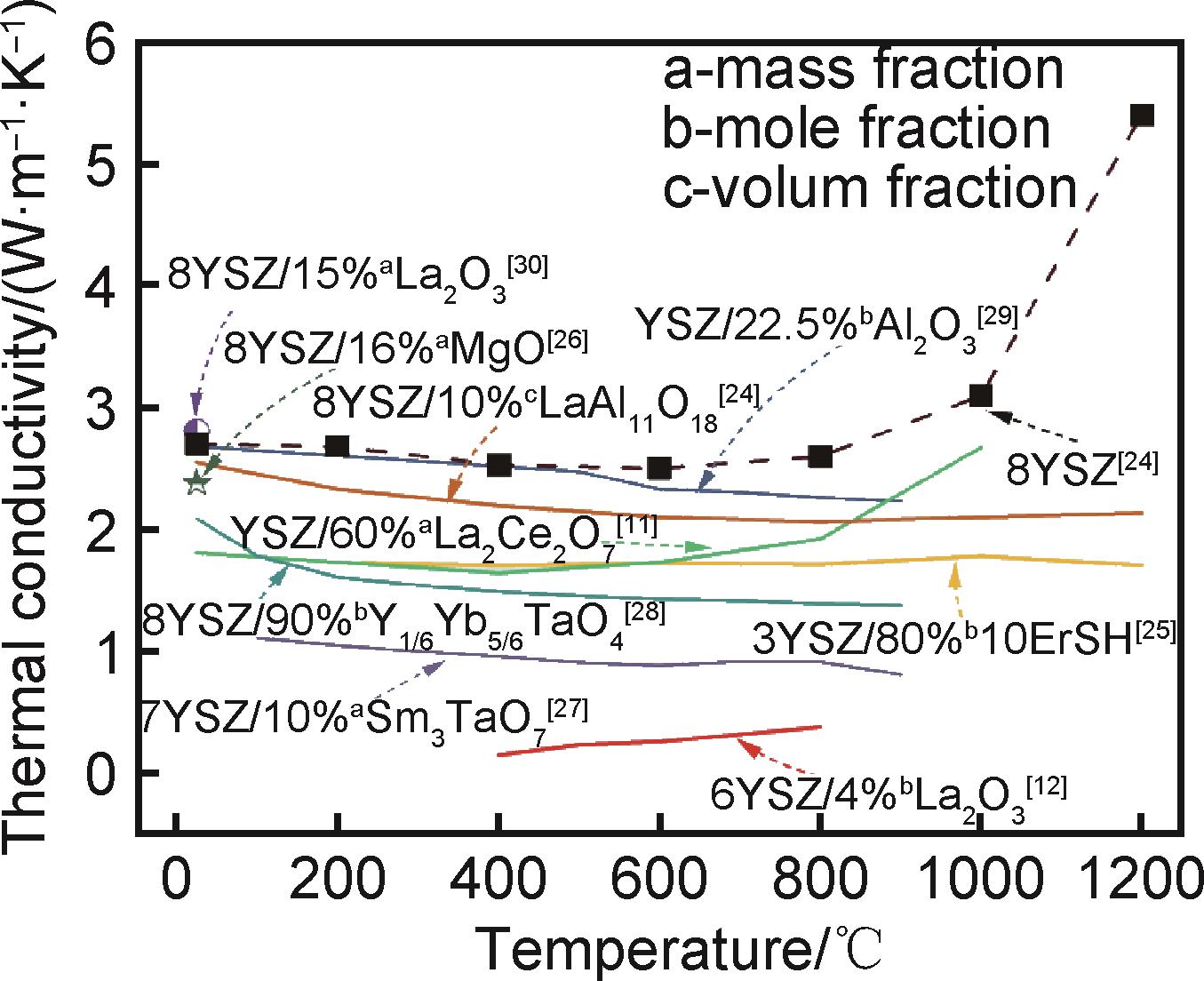
Thermal barrier coatings (TBCs) are a critical thermal protection technology for hot-section components in advanced aero-engines and gas turbines. While yttria-stabilized zirconia (YSZ) remains the standard material for ceramic top coats, it exhibits limitations during long-term high-temperature service, including phase instability, susceptibility to sintering, and inadequate corrosion resistance. To address these performance bottlenecks, the development of YSZ-based composite ceramic systems has emerged as a pivotal research direction. Leveraging multiphase synergistic effects, the incorporation of functional second-phase ceramics into the YSZ matrix effectively mitigates its shortcomings in high-temperature service while preserving its inherent advantages. Consequently, this review provides a comprehensive overview of the recent advancements in YSZ-based composite TBC materials. From the perspectives of heterogeneous interfacial phonon scattering, anti-sintering via grain boundary pinning, synergistic toughening through ferroelasticity and phase transformation, and active sacrificial phase protection, the fundamental challenges and strategic solutions for tailoring thermal transport, thermomechanical compatibility, toughness, and environmental resistance are rigorously dissected. Furthermore, the developmental paradigms and integrated performance of three primary categories-YSZ/A2B2O7, simple oxide/phosphate, and specialty functionalized systems (incorporating negative thermal expansion or self-healing capabilities) are highlighted. The discussion concludes with a comparative assessment of the efficacy and constraints of plasma spraying, suspension/solution-based techniques, and field-assisted processing in achieving the deterministic architectural control of composite coatings. Furthermore, the advantages and limitations of thermal spraying and alternative fabrication techniques for composite coatings are critically compared. Through multiphase coupling and structural optimization, YSZ-based composite ceramics demonstrate significantly improved performance and reliability in extreme environments, offering robust material solutions for the next generation of high-performance TBCs.
-
 2026, 54(10): 155-160. https://doi.org/10.11868/j.issn.1001-4381.2024.000726
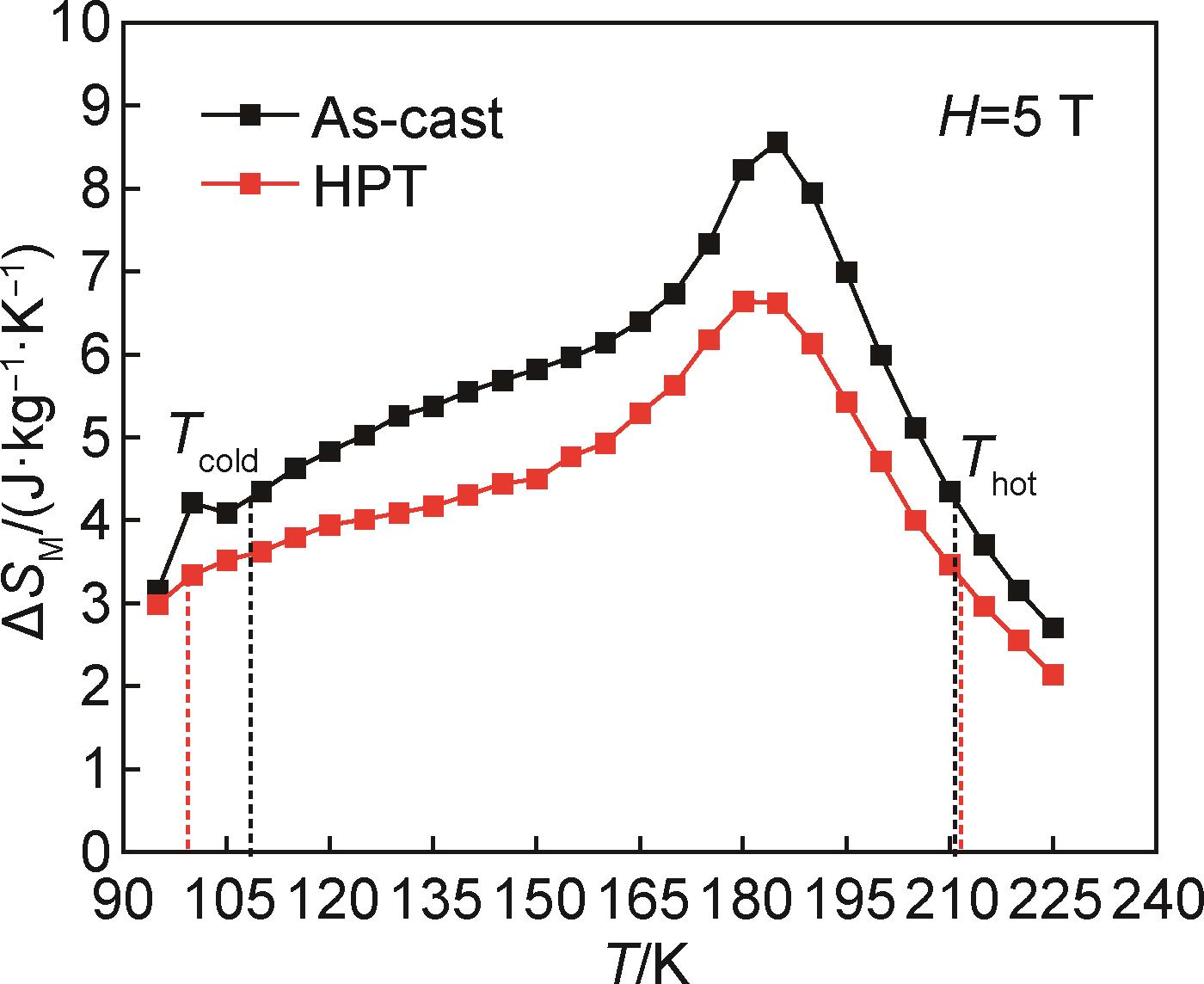
Nanocrystalline rare-earth high-entropy alloys Gd20Dy20Er20Ho20Tb20 samples are prepared by high-pressure torsion method, and their magnetic transformation and magnetocaloric effect are studied. The results show that, compared with the as-cast coarse-grained samples, the nanocrystalline samples exhibit a more pronounced second-order magnetic transition from paramagnetic to antiferromagnetic at the Néel temperature of 183 K. In addition, the refrigerant capacity of the nanocrystalline samples decreases (627 J·kg⁻¹ and 528 J·kg⁻¹, respectively, at a 5 T magnetic field), while the working temperature interval widens from 102 K to 113 K. Analysis indicates that, unlike conventional magnetic refrigerant materials such as Pr₂Fe₁₇ and GaCMn₃, for high-entropy alloys which are intrinsically characterized by high chemical disorder, the microstructural nanocrystallization and the structural disorder arising from the large number of irregularly arranged atoms at grain boundaries do not significantly enhance the magnetocaloric effect, but can effectively broaden the working temperature interval.
-
 2026, 54(10): 161-167. https://doi.org/10.11868/j.issn.1001-4381.2024.000699
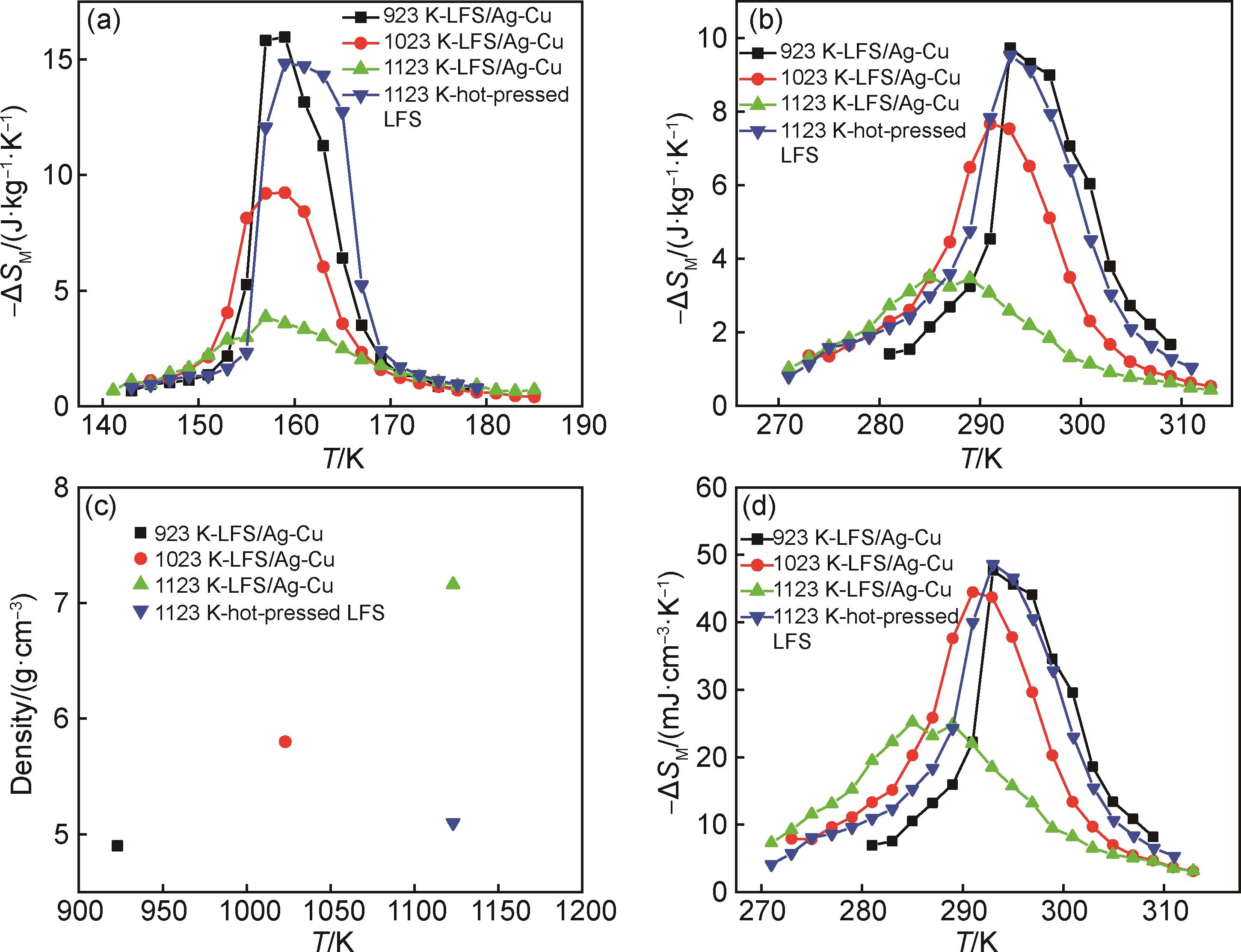
La(Fe,Si)13 alloys are prone to fragmentation and pulverization after hydrogenation. To process them into magnetic working materials suitable for magnetic refrigerators and to improve their thermal conductivity, this study first hot-presses the La0.8Ce0.2Fe11.53Mn0.17Si1.3 alloy powder mixed with 10%(mass fraction)Ag-Cu alloy powder at 923-1123 K and 51 MPa for 15 min, and then hydrogenates the hot-pressed alloy at 593 K under 0.13 MPa hydrogen atmosphere for 210 min to increase its Curie temperature T C. X-ray diffraction (XRD) is used to characterize the phase structure and composition of the hot-pressed alloy; scanning electron microscopy (SEM) and energy-dispersive X-ray spectroscopy (EDS) are employed to analyze its microstructure and micro-area composition; the magnetocaloric properties are tested by using a VersaLab system; and the thermal diffusivity is measured by the laser flash method, from which the thermal conductivity is calculated. The results show that after hydrogenation, the hot-pressed alloy still maintains its integrity, and its Curie temperature is raised to near room temperature. As the hot-pressing temperature increases from 923 K to 1123 K, the density of the hot-pressed alloy increases obviously, the magnetocaloric effect decreases from 9.73 J·kg-1·K-1 to 3.47 J·kg-1·K-1, while the thermal conductivity increases significantly to 14 W·m-1·K-1 at 1123 K. The alloy hot-pressed at 1023 K exhibits the best overall performance: its maximum isothermal magnetic entropy change under 0-2 T is 7.67 J·kg-1·K-1, its thermal conductivity is 5.5 W·m-1·K-1, and its relative cooling power reaches 107.4 J·kg-1, which is higher than those of samples hot-pressed at other temperatures.
-
 2026, 54(10): 168-179. https://doi.org/10.11868/j.issn.1001-4381.2025.000221
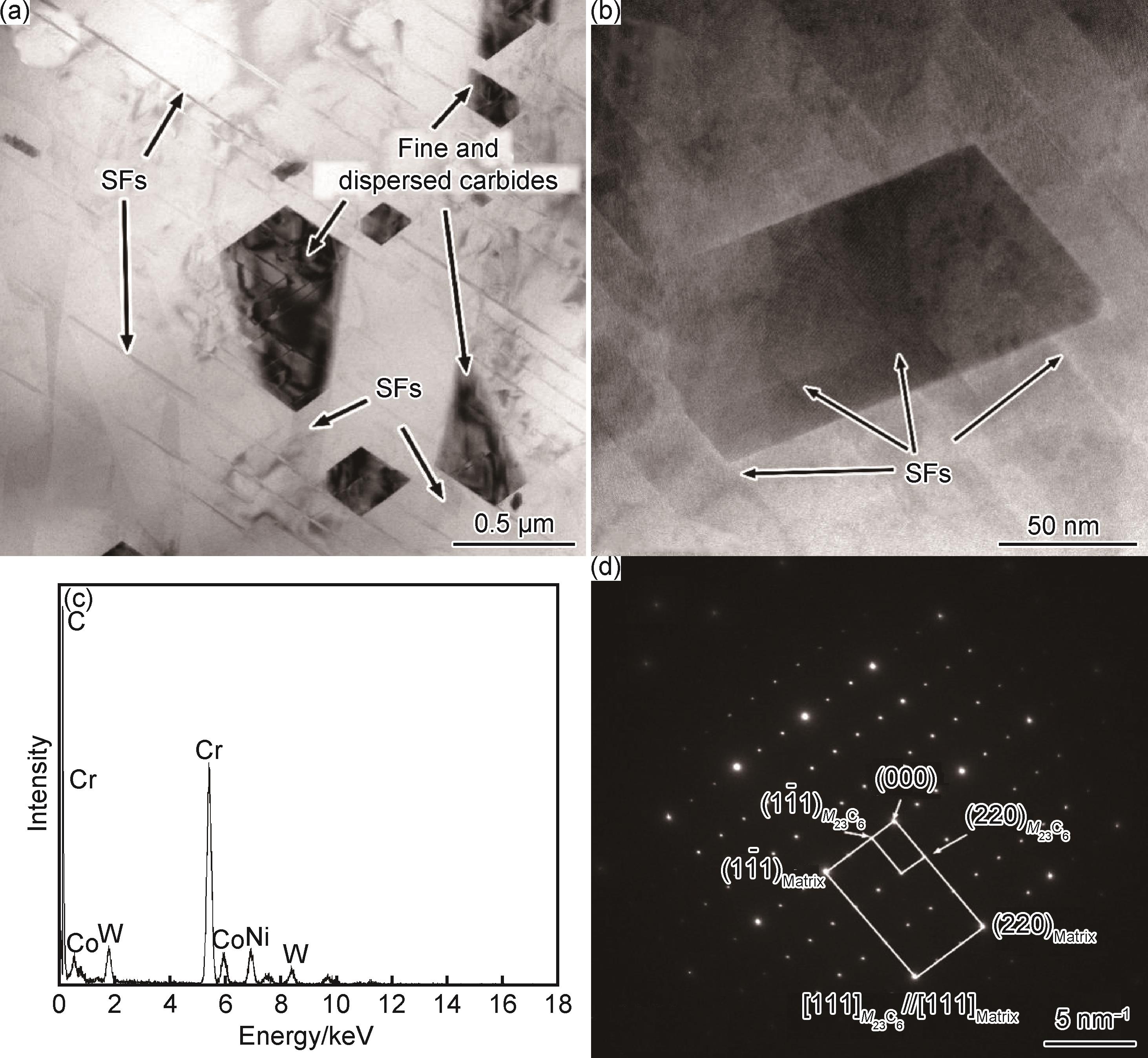
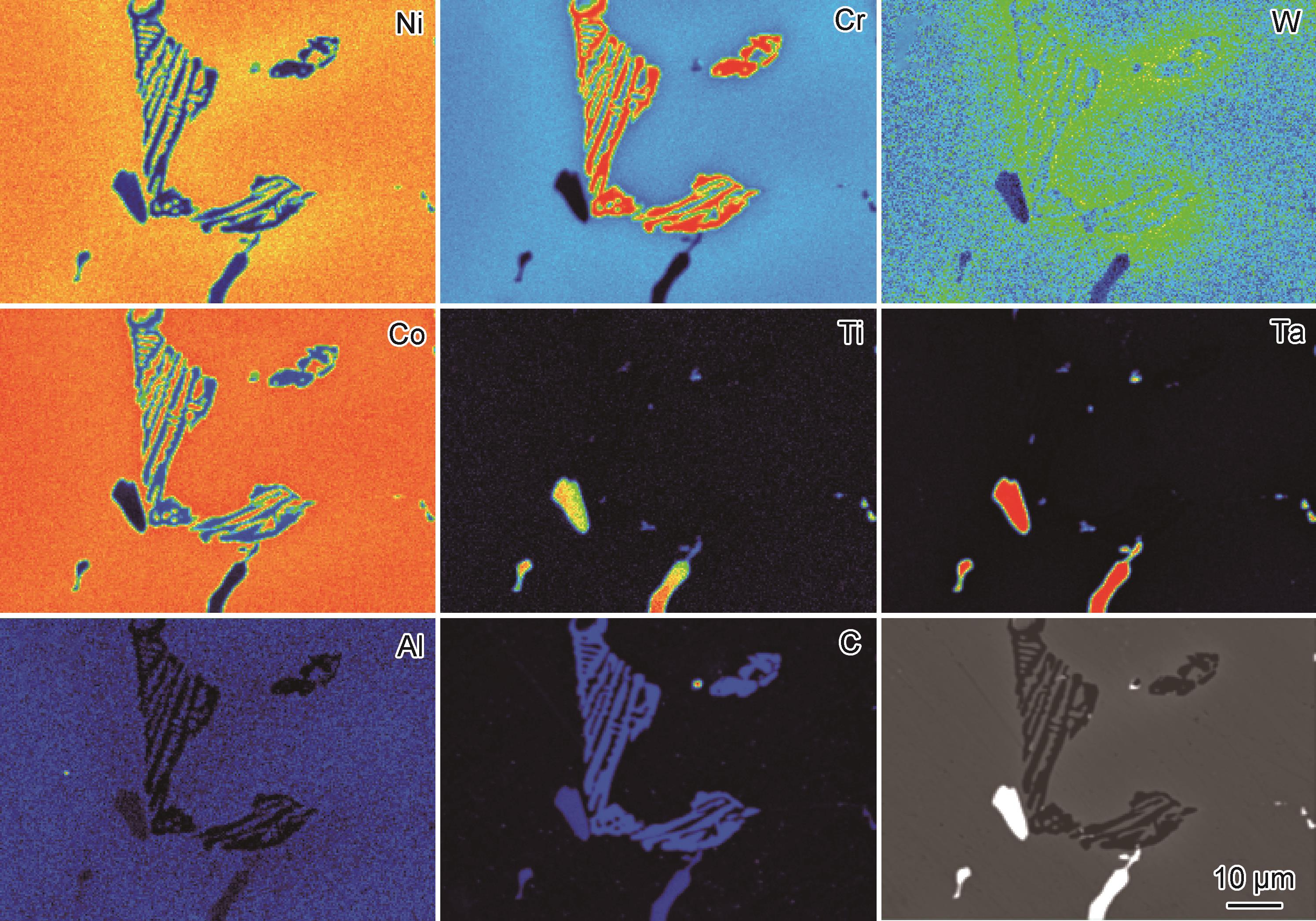
Cobalt-based high-temperature alloys strengthened by carbide precipitation undergo complex microstructure evolution during long-term high-temperature service, which exerts a crucial influence on their service performance.By material analysis methods including field emission scanning electron microscopy(FE-SEM),electron probe X-ray microanalysis(EPMA),and transmission electron microscopy(TEM), this paper analyzes the as-cast microstructure of the conventional cobalt-based high-temperature alloy ECY768 and its microstructure after aging at 900 ℃ for 200-1500 h, with a focus on the types of carbides in the alloy and their evolution rules during long-term aging.The results indicate that the as-cast ECY768 alloy contains a large number of skeletal Ta-Ti-rich MC carbides and layered Cr-rich M₇C₃ carbides distributed in the interdendritic regions, and a small amount of dispersedly distributed granular Cr-rich M₂₃C₆ carbides exist in the alloy matrix.After aging at 900 ℃ for 200-1500 h, the types of carbides in the alloy remain unchanged. With the extension of aging time, slight degradation and decomposition occur to MC carbides, while metastable M 7C3 carbides experience obvious degradation and decomposition. Meanwhile, a small number of secondary MC carbides precipitate around M 7C3 carbides, and a large number of fine granular and chain-like M 23C6 carbides precipitate in the matrix, all of which present a distinct orientation relationship with the matrix.The degradation and decomposition of M₇C₃ carbides and the formation of abundant stacking faults during long-term aging create favorable conditions for the generation of fine granular and chain-like M₂₃C₆ carbides.
-
 2026, 54(10): 180-190. https://doi.org/10.11868/j.issn.1001-4381.2024.000881
To meet the requirements of joining dissimilar materials for aero-engine turbine disks, this study successfully joins GH4169 and Mar-M247 dissimilar Ni-based superalloys by electron beam welding, and systematically investigates the effects of key welding process parameters (welding voltage, welding current, and welding speed) on the microstructure and mechanical properties of the joints, while elucidating the joint formation mechanism. The results show that sound GH4169/Mar-M247 joints are obtained by electron beam welding. Dendrites growing toward the weld center are observed at the fusion line, and the weld interior is mainly composed of dendrites and fine equiaxed grains. The microhardness distribution across different regions of the joint is asymmetric, with the lowest hardness in the heat-affected zone on the GH4169 side and the highest hardness near the fusion line on the Mar-M247 side. Based on the optimized electron beam welding parameters (welding voltage of 50 kV, welding current of 29 mA, and welding speed of 1 m/min), the joint achieves a tensile strength of 802 MPa and an elongation of 20% at 500 ℃. All tensile specimens fracture in the heat-affected zone on the GH4169 side, exhibiting a ductile fracture mode. This study provides a fundamental theory and technical support for the high-performance welding of dissimilar superalloys for aero-engine applications.
-
 2026, 54(10): 191-201. https://doi.org/10.11868/j.issn.1001-4381.2025.000476
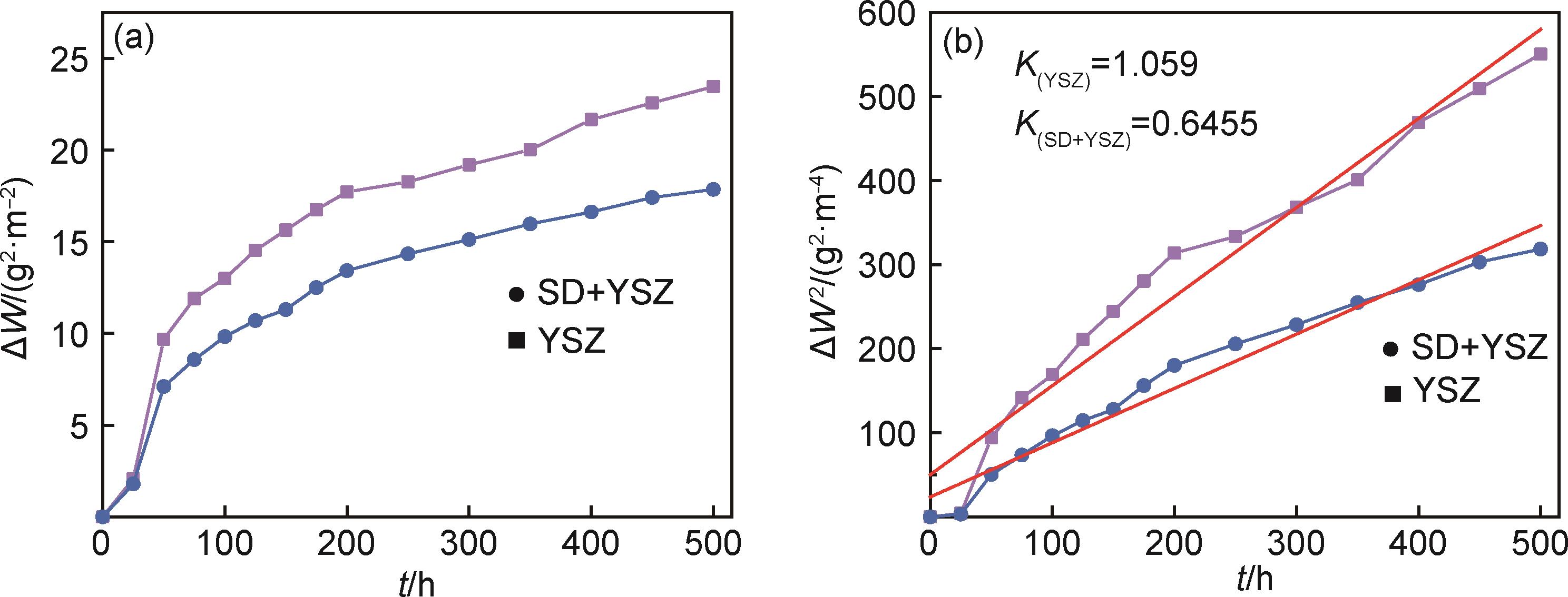
To address the problem of insufficient temperature resistance of traditional YSZ thermal barrier coatings prepared by the EB-PVD process, this paper designs a high-entropy (Sm0.2Gd0.2Eu0.2Lu0.2Dy0.2)2 Zr2O7 (SD for short)+YSZ double-ceramic-layer thermal barrier coating. EB-PVD technology is used to prepare thermal barrier coatings of SD, YSZ, and SD+YSZ three groups of different ceramic surface layers. The high temperature oxidation resistance of the double-ceramic-layer thermal barrier coating is studied. Based on the thermogravimetric curve and surface/section morphology analysis, the mechanism is discussed. The results show that the thermal conductivity and thermal expansion coefficient of SD high-entropy-ceramic are 20% and 15% lower than those of YSZ, respectively, and the ceramic retains a defective fluorite structure after high-tempeiature sintering at 1400 ℃ for 100 h. The samples of SD single ceramic layer and YSZ single ceramic layer are oxidized at 1150 ℃ for 200 h and 500 h, respectively, and the oxidation rate constant of the SD+YSZ double-ceramic-layer sample is 39% lower than that of YSZ coating. The coating is still intact after being oxidized at 1150 ℃ for 500 h, the microcrack width of coating surface is about 1/10 of the YSZ coating, and the thickness of thermally grown oxide layer is about 1/3 of the YSZ coating; meanwhile, the SD+YSZ double-ceramic-layer sample shows no obvious defects compared with the YSZ coating’s large area bulge after 6000 thermal shocks at 1150 ℃.The presence of the YSZ intermediate layer effectively mitigates the thermal expansion coefficient mismatch between the SD layer and the bond coat, thereby improving the service life of the thermal barrier coating.
-
 2026, 54(10): 202-210. https://doi.org/10.11868/j.issn.1001-4381.2024.000440
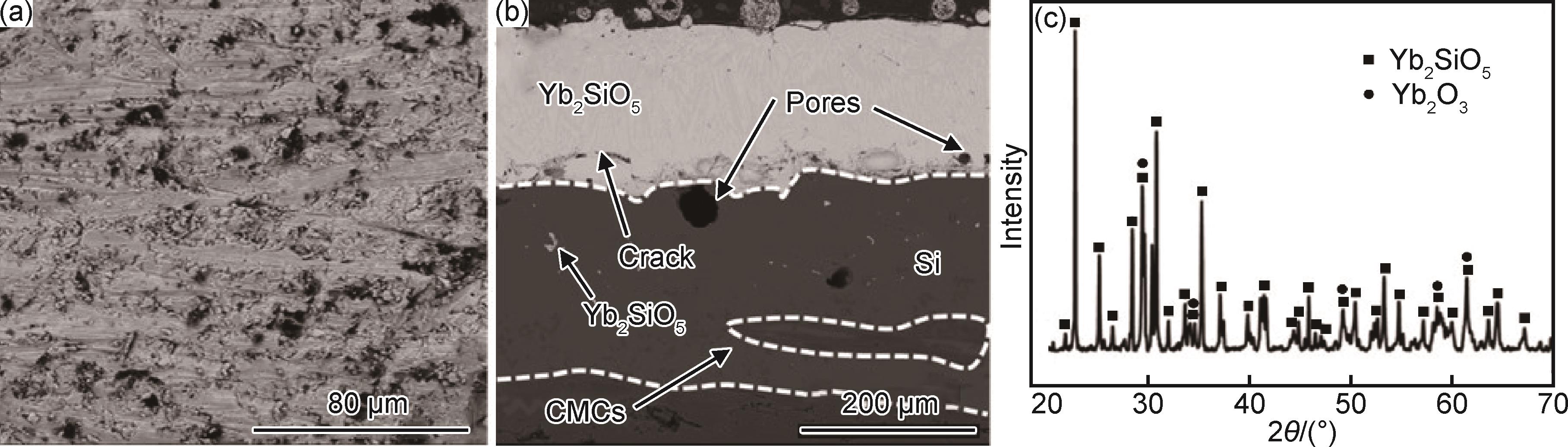
Laser melting deposition (LMD) technology is used to prepare an environmental barrier coating (EBC) consisting of a Si bond layer and a Yb2SiO5 top layer on the surface of SiCf/SiC ceramic matrix composites (CMCs). The microstructure and high-temperature water vapor-oxygen corrosion behavior of the coating are investigated. The results show that the EBC prepared by LMD exhibits no obvious defects and maintains good bonding with the substrate. The Yb2SiO5 top layer has a thickness of approximately 180 μm, the Si layer has a thickness of approximately 220 μm, and the coating porosity is only 0.58%. After oxidation at 1400 ℃ for 20 h in a water-oxygen environment of 10%(volume fraction,the same below)H₂O-90%Air, the oxidation rate constant of the CMCs sample with the EBC is 2.0×10⁻¹² g²·cm⁻⁴·s⁻¹, which is two orders of magnitude lower than that of the CMCs substrate (8.7×10⁻10 g²·cm⁻⁴·s⁻¹). The oxidation mass gain (0.6 mg·cm⁻²) is also much lower than that of the substrate (6.5 mg·cm⁻²). This is because EBC maintains excellent structural and chemical stability in high-temperature water-oxygen environment, which can effectively protect the CMCs substrate.
-
 2026, 54(10): 211-220. https://doi.org/10.11868/j.issn.1001-4381.2025.000658
Fe-based composite coatings with varying B4C contents(5%, 8%, and 10%, mass fraction, the same below) are prepared on Cr12MoV steel substrates using laser cladding technology. The effects of B4C content on the phase composition, microstructure, and corrosion resistance behavior of the coatings are systematically investigated by means of XRD, SEM,EDS, electrochemical measurements, and XPS analysis. The results show that the Fe-based composite coatings are mainly composed of α-(Fe,Cr) and γ-(Ni-Cr-Fe) solid solutions phases,as well as carbide and boride phases such as Fe2B,M 7C3,Fe3Si, and M 23C6. As the B4C content increases, the types and amounts of carbides and borides in the coatings correspondingly increase, and the interdendritic eutectic structure fully rises. However, an excessive amount of B4C(10%) leads to dendrite coarsening and noticeable carbide agglomeration. Composite coatings with different B4C contents exhibit superior corrosion resistance performance compared to the substrate in both 3.5%NaCl and 1 mol/L HCl solutions. Moreover, as the B4C content increases, the corrosion resistance performance of the coatings initially increases and then decreases.With 8%B4C addition, the Fe-based composite coatings exhibit distinct passivation in corrosive media. Benefiting from the synergistic effect of the passive film and the barrier layer formed by carbides, the coatings show excellent anti-permeation capability and optimal corrosion resistance performance.
-
 RESEARCH ARTICLE2026, 54(10): 221-230. https://doi.org/10.11868/j.issn.1001-4381.2024.000850
Superhydrophobic technology is used to enhance the protective performance of magnesium alloy micro-arc oxidation(MAO) coating. A superhydrophobic and anti-corrosion coating is prepared on MAO modified Mg alloy by chemicaletching with stearic acid(SA). For convenience, the MAO modified sample is denoted as WH, and the eventually obtained superhydrophobic sample is denoted as WH-SHS. The morphology of the coating is investigated by scanning electron microscopy(SEM). The contact angle of the coating surface is measured by contact angle tester. Electrochemical test and salt spray test are used to evaluate the corrosion resistance of the superhydrophobic coating. The results show that the defects of MAO coating are effectively sealed. What’s more, the WH-SHS coating exhibits a high water contact angle of 161° and presents lyophobicity to common liquids in life. In addition,the corrosion current density(J corr) of the WH-SHS coating decreases by 4 orders of magnitude compared to the bare Mg alloy, and its low-frequency impedance modulus(|Z|0.01 Hz) increases by 4 orders of magnitude compared to the bare Mg alloy. The WH-SHS coating has withstood salt spray for more than 8 d, demonstrating excellent corrosion resistance.
-
 2026, 54(10): 231-240. https://doi.org/10.11868/j.issn.1001-4381.2024.000539
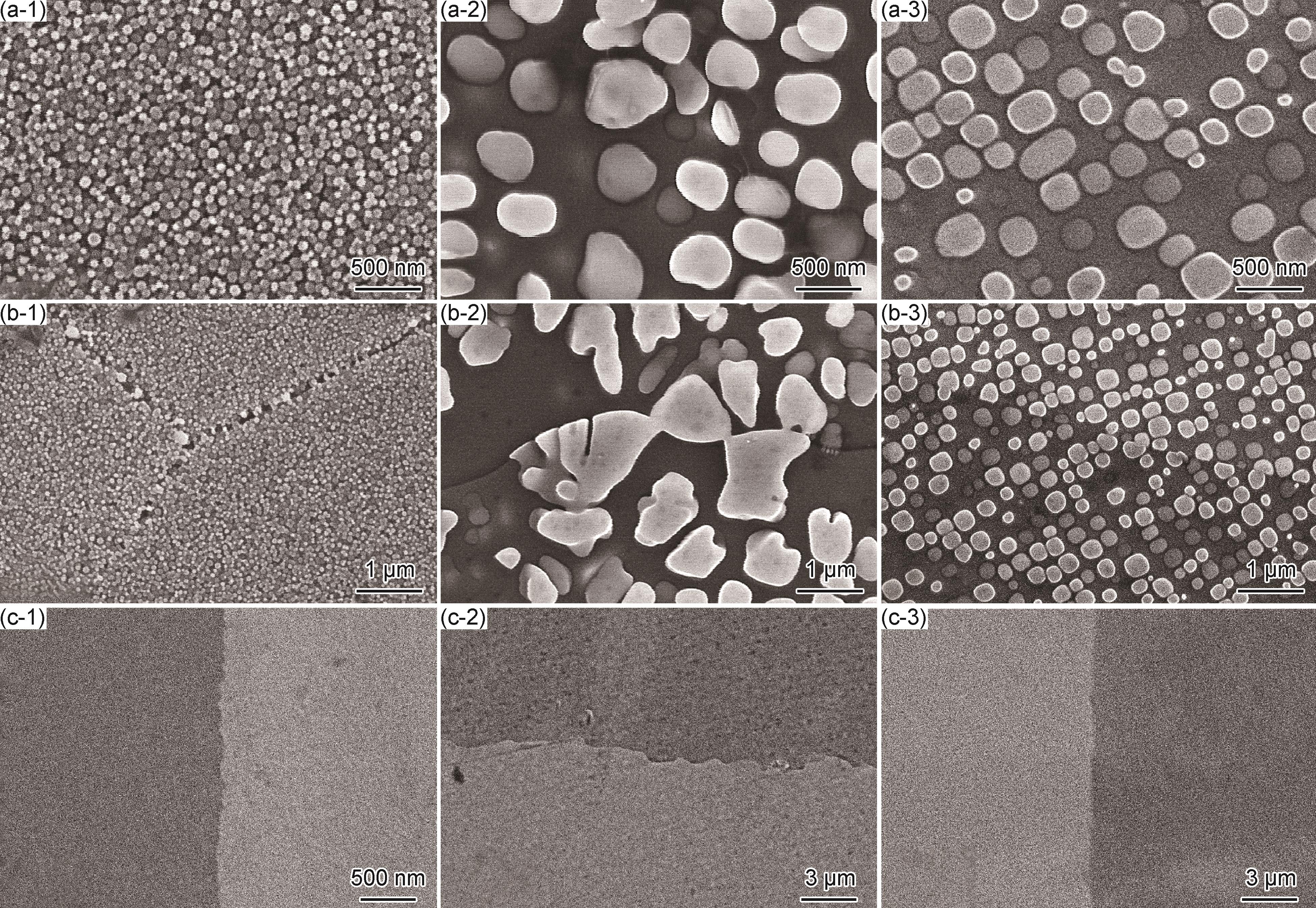
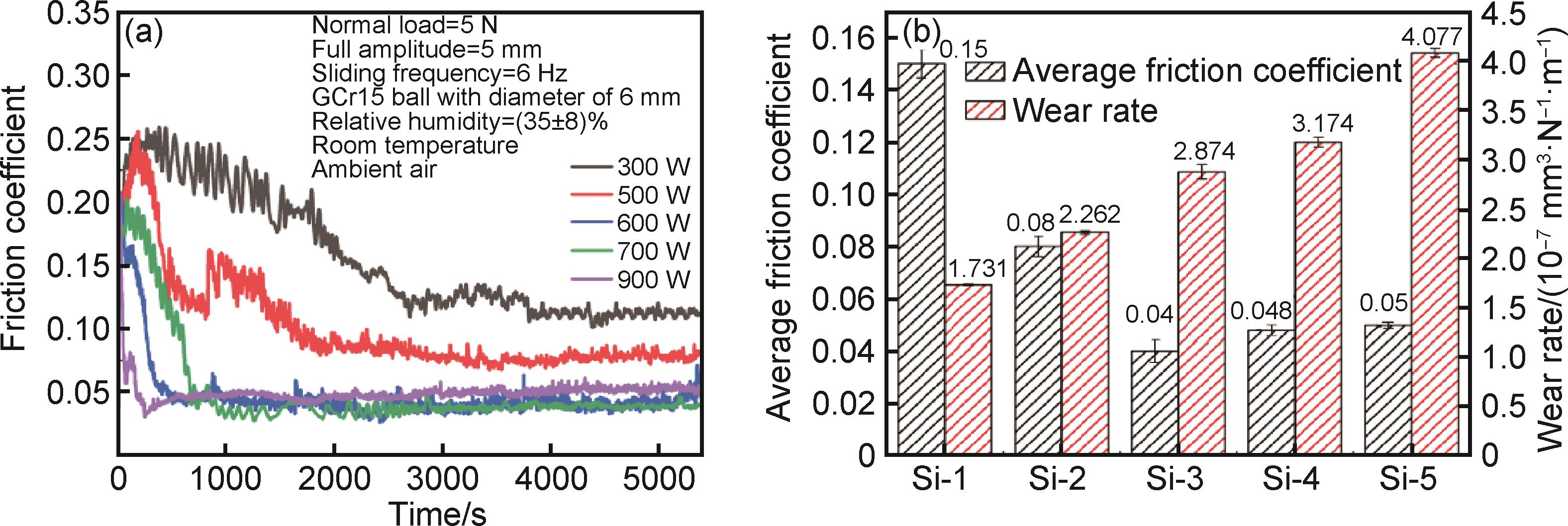
Pulsed direct current magnetron sputtering technology is employed to deposit silicon-doped diamond-like carbon(Si-DLC)thin films on W18Cr4V steel blocks and silicon wafers. The impact of varying sputtering powers on the microstructure, mechanical properties, and friction characteristics of Si-doped DLC thin films is meticulously examined. Additionally, the tribological behaviors and wear mechanisms of diverse Si-DLC thin films are elucidated in the context of room-temperature friction processes. The results demonstrate that by modifying the sputtering power of the silicon target, it is possible to regulate the Si element content in the DLC films, thereby influencing the carbon bonding structure within the films. As the sputtering power is increased, the surface roughness of the films is elevated, and the bonding force between the films and the substrate is increased, while the hardness and elastic modulus of the films are decreased. The friction coefficients of Si-DLC films with varying silicon contents exhibit a pattern of initial decline and subsequent increase. Films prepared with a 600 W target power demonstrate the lowest friction coefficients and wear rates. The generation of a transfer film between the Si-DLC films and the dyadic spheres, as well as the formation of silicon oxide and silicon carbide particles during the friction process, results in a decrease in the friction coefficient of the Si-DLC films prepared with a 900 W target power. Concurrently, the hardness and elastic modulus of the films decrease, and their wear rate shows a gradual increase. The wear mechanism of the Si-DLC films prepared with different powers is abrasive wear.
-
 2026, 54(10): 241-250. https://doi.org/10.11868/j.issn.1001-4381.2025.000026
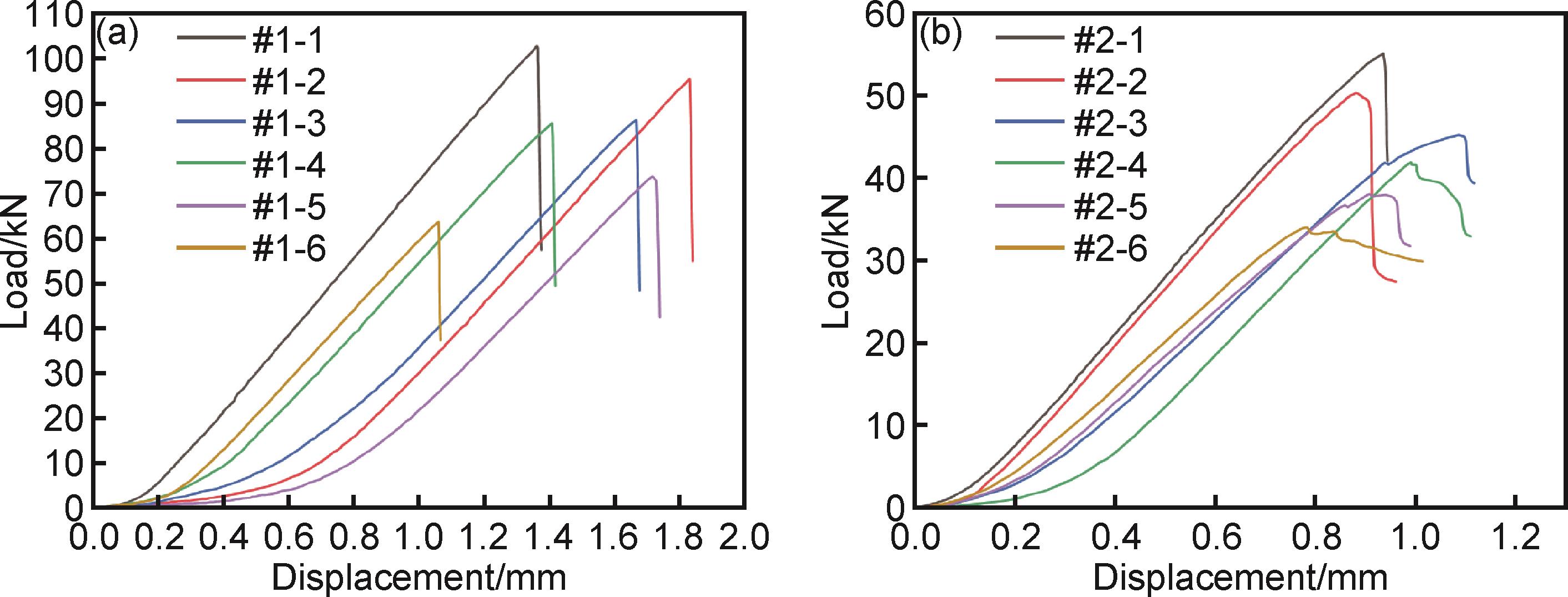
The analysis of damage evolution in three-dimensional (3D) four-directional woven composite materials under multiple impacts and their post-impact compression performance is highly significant for assessing their reliability and load-bearing efficiency in practical applications. This study investigates the low-velocity impact behavior of carbon fiber/epoxy resin three-dimensional four-directional woven composite panels with weaving angles of 15° and 30°,subjected to different numbers of impacts. Subsequently,the impacted specimens undergo axial compression tests,and an ultrasonic C-scan system is used to image the damaged areas. Experimental data are systematically analyzed to elucidate the influence mechanisms of braiding angle and impact cycles on damage propagation behavior and residual compressive performance of the material.The results indicate that the weaving angle is the primary factor determining the impact resistance of the material. For 15° braided specimens,damage propagates longitudinally along the fiber orientation in a streamlined pattern,whereas the 30° specimens exhibit peripheral damage diffusion with near-circular zones due to variations in interlaced fiber orientation. Increased braiding angles enhance structural stability during impact loading. Failure mechanisms predominantly involve fiber-matrix inter facial shear failure and fiber fracture.The residual compressive properties of the material are influenced by both the degree of impact damage and the weaving angle. The damage of the 15° specimen extends in a streamline pattern along the longitudinal fiber alignment direction,while the damage of the 30° specimen spreads radially due to the change in the fiber interweaving direction,forming a nearly circular region. The increase in weaving angle enhances the structural stability of the material during the impact process. In the impact test,the primary failure modes are fiber-matrix interface shear failure and fiber fracture.
-
 2026, 54(10): 251-260. https://doi.org/10.11868/j.issn.1001-4381.2025.000036
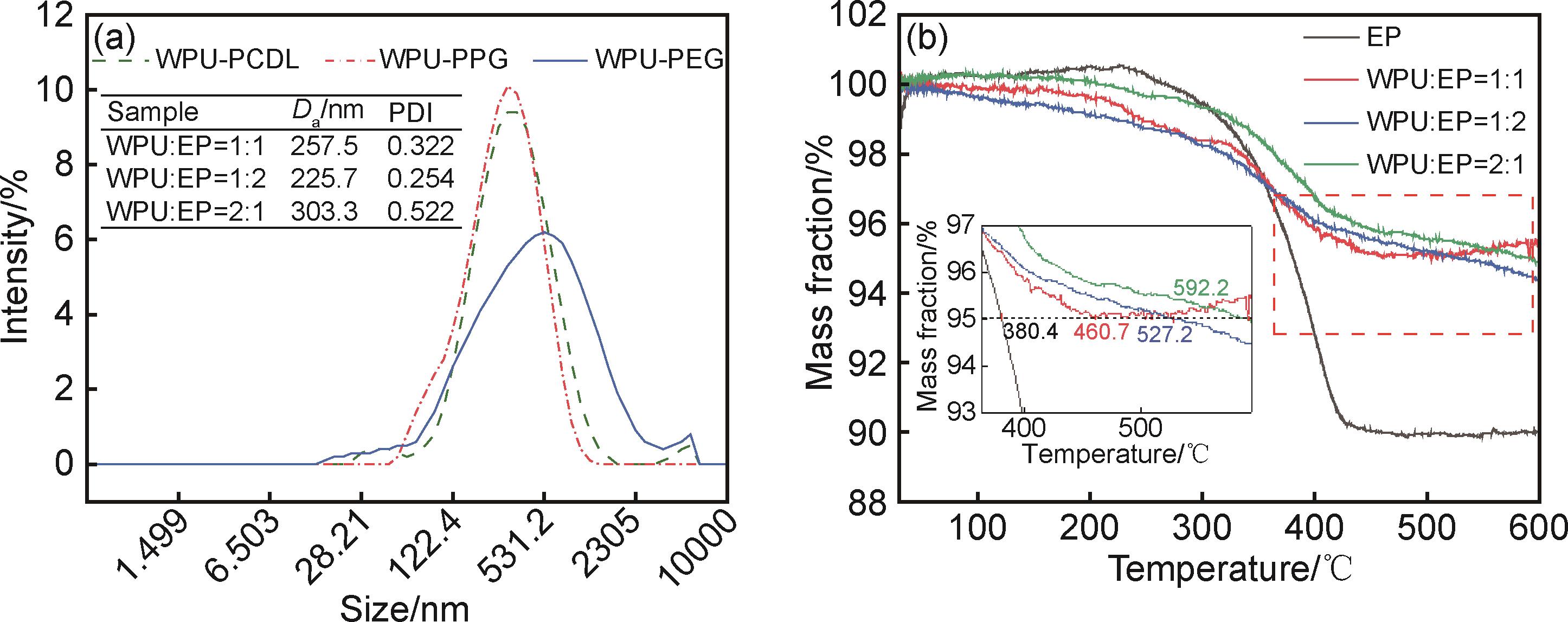
To improve the high-temperature resistance of epoxy-based sizing agents,waterborne polyurethane (WPU) with excellent performance is synthesized and blended with the epoxy-based sizing agent to obtain a composite sizing agent. The carbon fiber surface is then sized with this composite sizing agent. The influence of the introduction of WPU on the high-temperature resistance of the composite sizing agent is studied,and the effects of the composite sizing agent on the surface structure and properties of the carbon fiber are analyzed. The results show that WPU with uniform particle size and excellent thermal stability can be synthesized using polycarbonate diol as the raw material,and it exhibits superior wettability on the surface of carbon fibers. During the preparation of the composite sizing agent,when the mass ratio of WPU to epoxy resin (EP) is 1∶2,the composite sizing agent obtained has good particle size distribution,exhibits excellent wettability (with a contact angle of only 53.75°) on the carbon fiber surface,and possesses outstanding thermal stability with no significant mass loss up to 600 ℃. After further sizing the carbon fibers with the composite sizing agent,the oxygen-to-carbon ratio (O/C) on the fiber surface increases significantly,the fiber strength increases slightly,and the mechanical properties of the composites are significantly improved.
-
 2026, 54(10): 261-267. https://doi.org/10.11868/j.issn.1001-4381.2025.000088
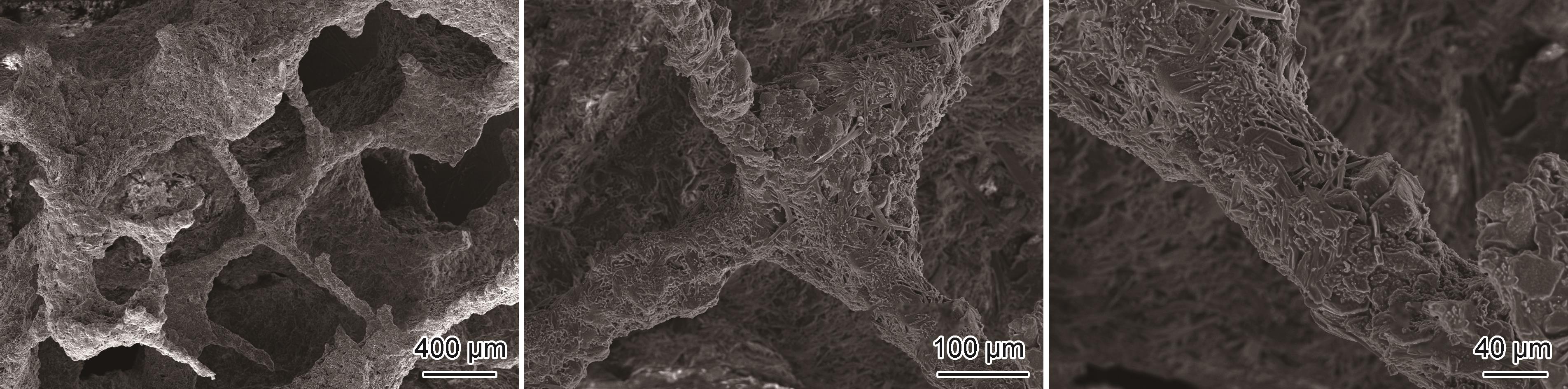
This study synthesizes lightweight forsterite-based porous ceramics with three-dimensional network structures via a template method, using industrial waste boron mud as the primary raw material. Orthogonal experimental design is systematically employed to investigate the effects of firing temperature, flux type, and additive ratio on the performance of the template-derived porous ceramics. SEM, XRD, and TG-DSC reveal that firing temperature predominantly govern the compressive strength evolution of the ceramics, while exerting negligible regulatory effects on porosity and bulk density (p>0.05). The flux system exhibits limited influence on material properties. Through optimized fabrication process, the fabricated forsterite-based porous ceramics effectively retain template-derived pore inheritance characteristics, exhibiting a porosity of up to 77.18%, a bulk density as low as 0.65 g/cm³, and a maximum compressive strength of 8.37 MPa.
-
 2026, 54(10): 268-274. https://doi.org/10.11868/j.issn.1001-4381.2024.000885
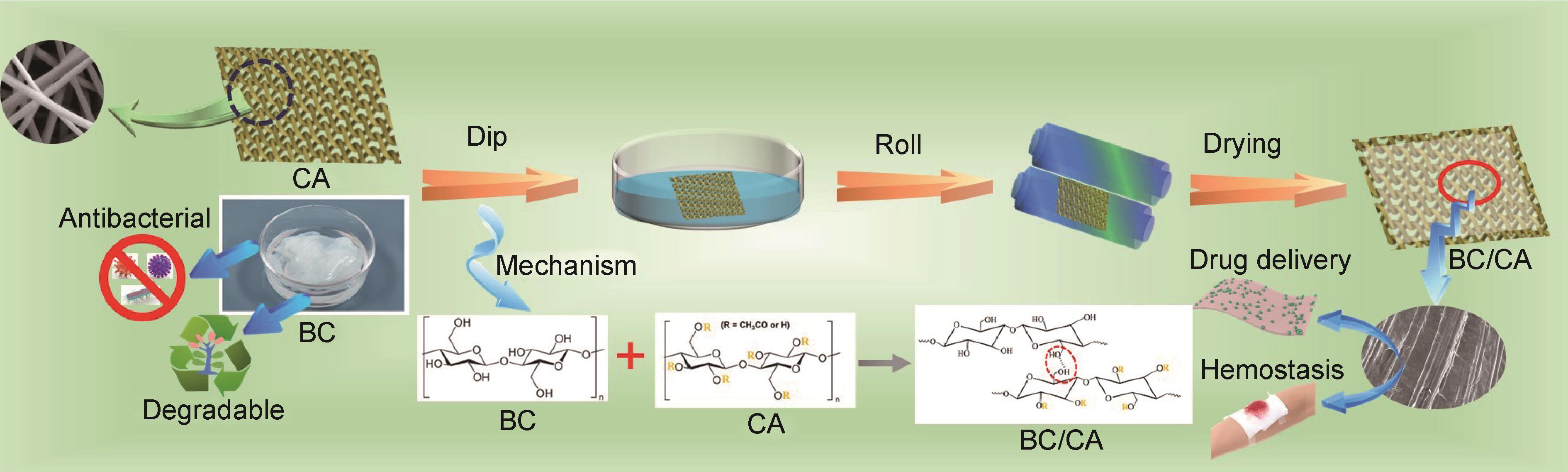
Traditional cotton gauze and disposable non-woven medical dressing carriers have several drawbacks in practical use, including stiffness, poor comfort, low mechanical strength, and inadequate air permeability and moisture permeability. Additionally, they tend to adhere to wounds, failing to effectively maintain a moist environment, which may lead to wound dryness and scabbing, ultimately affecting the healing process. To address these issues, this paper adopts a padding method to attach bacterial cellulose dispersion onto the surface of cellulose acetate fabric, thereby preparing bacterial cellulose/cellulose acetate (BC/CA) composite fabric as a dressing carrier. The results indicate that when the mass fraction of bacterial cellulose is 6%, the elongation at break of the cellulose acetate fabric can reach 2.31%, and the tensile strength is 14.981 MPa. When the mass fraction of bacterial cellulose is 2%, the air permeability of the cellulose acetate fabric remains at 633 mm/s, and the moisture permeability can achieve 13670.671 g/(m²·24 h). The composite dressing developed in this paper possesses excellent mechanical properties and air permeability/moisture permeability characteristics. These features make it possible to achieve functions such as gel coating, electrostatic spraying, and drug delivery, thereby further promoting innovation and development in the field of wound care.